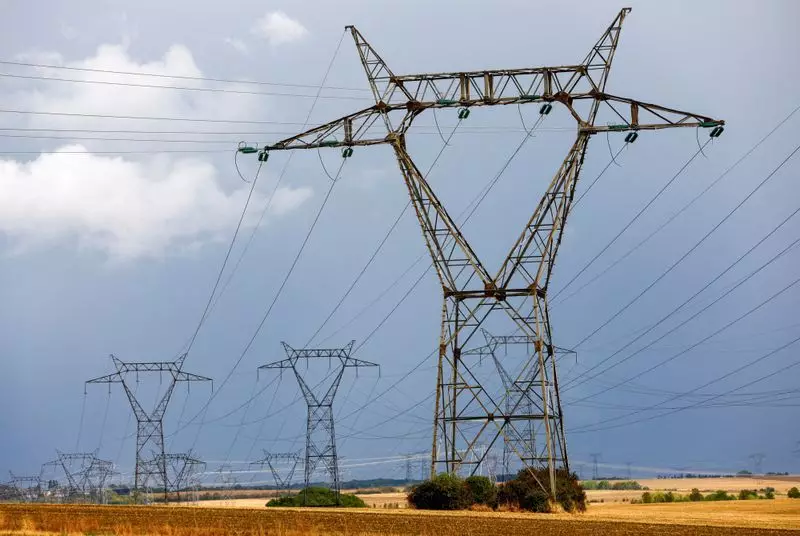
Recent devastating floods across Punjab have triggered an unexpected 25 percent decline in power demand during the crucial paddy transplantation season, despite farmers completing sowing operations nearly 10 days ahead of schedule. The unprecedented situation has created a complex scenario for the state's power management authorities.
Unprecedented Drop in Electricity Consumption
The Punjab State Power Corporation Limited (PSPCL) reported that power demand plummeted to approximately 10,500 megawatts (MW) during the last week of June, significantly lower than the anticipated 14,000 MW. This substantial decrease occurred during what is traditionally the peak consumption period for agricultural operations.
The decline represents a dramatic 3,500 MW shortfall from projected demand levels, creating unexpected challenges for power distribution planning. PSPCL officials confirmed that this marked the first instance in recent memory where power demand decreased during the paddy season despite favorable agricultural conditions prior to the floods.

Flood Impact on Agricultural Operations
The abnormal power consumption pattern directly results from extensive flood damage across agricultural regions. Heavy rainfall between June 21 and 23 caused severe flooding in multiple districts, including Patiala, SAS Nagar (Mohali), Rupnagar, and Fatehgarh Sahib.
Approximately 95 percent of paddy sowing had been completed before the floods struck, with farmers taking advantage of early monsoon conditions. However, the subsequent deluge submerged thousands of acres of newly transplanted paddy crops, effectively halting agricultural electricity requirements.
PSPCL chairman and managing director Baldev Singh Sran explained the unusual situation: "The demand usually peaks during the paddy transplantation season as farmers require electricity to run water pumps. This year, the demand has reduced due to floods."
Infrastructure Damage and Restoration Efforts
The flooding caused significant damage to Punjab's power infrastructure, compounding the demand reduction with supply challenges. PSPCL reported extensive damage to 13 power feeders in the most severely affected areas.
Restoration teams worked continuously to repair damaged infrastructure, with particular focus on critical facilities including the Gian Sagar Medicity and numerous villages cut off from power supply. The corporation mobilized additional resources to address emergency situations and restore electricity to essential services.
Despite the reduced overall demand, PSPCL maintained its preparedness for potential demand spikes, keeping all power generation units operational and maintaining arrangements for additional power procurement if required. The unusual situation highlights how climate extremes can disrupt even the most reliable patterns of agricultural and energy consumption.
The early paddy sowing completion, which would normally signal increased electricity demand for irrigation, instead became a footnote in a larger story of climate disruption. This event marks a significant departure from historical power consumption patterns and may prompt reevaluation of how power authorities prepare for increasingly unpredictable weather events.