

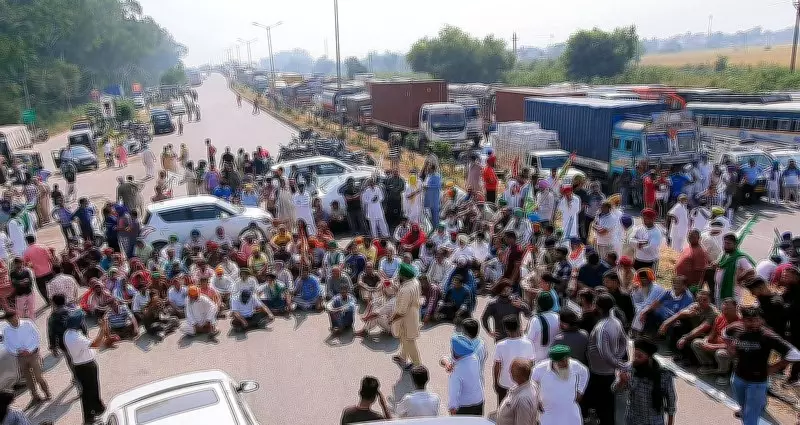
Punjab Kisan Union Calls for Statewide Protest on February 18
The Punjab Kisan Union has officially announced a major protest scheduled for February 18, mobilizing farmers across the state to voice their grievances against unresolved agricultural issues. This demonstration aims to pressure the government into addressing long-standing demands that have been neglected, highlighting the growing unrest in the farming community.
Key Demands Driving the Protest
Farmers are rallying behind several critical demands, which include the implementation of loan waivers to alleviate financial burdens, the establishment of fair and guaranteed crop prices to ensure sustainable livelihoods, and improved access to irrigation and electricity for agricultural operations. Additionally, the union is advocating for better support systems and subsidies to combat the challenges posed by climate change and market fluctuations.
Organizational Efforts and Expected Turnout
The Punjab Kisan Union has been actively organizing this protest through extensive outreach campaigns, including meetings in rural areas and the use of social media to spread awareness. Leaders estimate a significant turnout, with thousands of farmers expected to participate from various districts, potentially leading to widespread disruptions in transportation and daily activities. The union has emphasized a peaceful approach but warned of escalating actions if their demands are not met promptly.

Government Response and Historical Context
In response to the announcement, government officials have stated that they are reviewing the farmers' demands and are open to dialogue to find amicable solutions. However, past protests in Punjab have often led to prolonged standoffs, with farmers citing a lack of concrete action on previous promises. This protest follows a series of similar movements across India, reflecting broader national concerns over agricultural policies and rural distress.
Potential Impact on Agriculture and Economy
The protest could have significant implications for Punjab's agricultural sector, potentially affecting crop production and supply chains if it escalates. Economists warn that prolonged unrest might impact the state's economy, given agriculture's pivotal role. The union's actions are seen as a critical test of the government's commitment to addressing farmer welfare and could influence future policy decisions at both state and national levels.






