

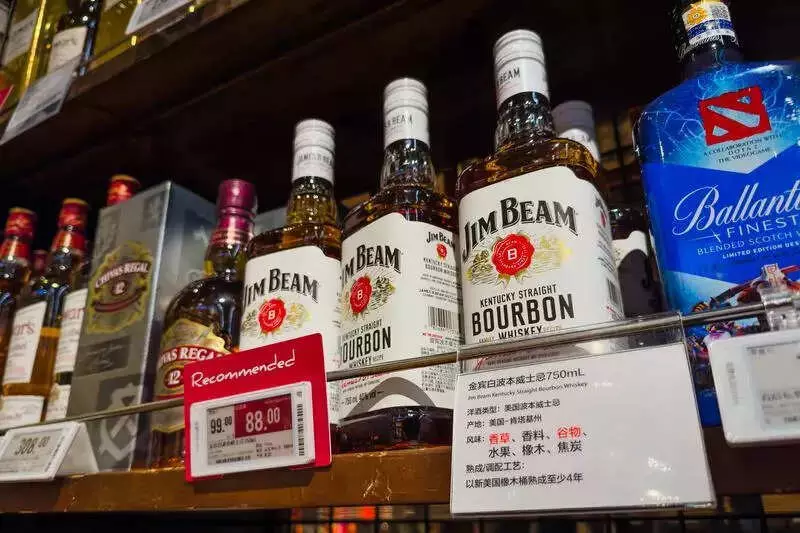
Liquor traders in Punjab have sounded an alarm over growing financial strain and market distortions, urging the state's AAP-led government to fundamentally amend its excise policy for the upcoming 2026–27 fiscal year. The traders are specifically demanding the abolition of the open quota system for Indian-made foreign liquor (IMFL), which they claim is crippling the economic viability of their businesses.
Core Flaws in Current Policy Trigger Crisis
This urgent appeal comes as the Punjab government has begun the process of formulating the next excise policy and has initiated stakeholder consultations to gather feedback. The traders have strongly criticized the existing excise policy for 2025–26, labeling it a failure in its core objective of ensuring a balanced and sustainable liquor trade. They have submitted a detailed set of suggestions, warning that without corrective measures, the current framework risks destabilizing the entire state-wide distribution structure.
At the heart of the issue is what traders describe as the excessive issuance of IMFL quota. They allege that despite policy provisions for limited and regulated quotas, the state excise department has been releasing quantities nearly three times the actual monthly market demand. This massive oversupply forces contractors to purchase stocks far exceeding their realistic sales capacity, leading to significant and mounting losses.

Parallels with Delhi and Unhealthy Competition
Drawing a cautionary parallel, traders pointed to the pattern that preceded the collapse of the excise framework in Delhi. They warned that unchecked quota expansion inevitably leads to severe market imbalance. Furthermore, they argued that enhanced vigilance in neighboring states like Bihar and Gujarat, including QR code-based tracking, has significantly reduced inter-state smuggling. This development, they contend, eliminates any justification for maintaining inflated quotas meant to counter leakage.
The resulting surplus stock has triggered what traders call unhealthy and artificial competition. Contractors report that brands are being pushed through unsustainable discount schemes—a sign of market distress, not growth. This has caused profit margins to erode sharply, increased undercutting, and severely impacted the financial viability of liquor contractors. They maintain these destructive practices are a direct consequence of excessive quota pressure.
Key Recommendations for a Sustainable Future
In their recommendations for the 2026–27 excise policy, traders have proposed a shift to a transparent, consumption-based quota system strictly aligned with genuine market demand. They have called for immediate government intervention to review quota issuance, curb artificial competition, and protect legitimate business interests.
The traders have collectively appealed for an immediate halt to the lifting of excess IMFL quota. They believe this step would allow policymakers and excise officials to clearly recognize the ground-level shortcomings of the current system and pave the way for a more sustainable regime.
To dismantle monopolistic control and create opportunities for smaller traders, the association has also pressed for a reduction in the size of groups as part of the policy overhaul. They criticized the government for reducing the number of groups in Punjab from 236 in 2024–25 to 207 in 2025–26, a move they say encourages a monopolistic approach and discourages small traders from participating.
Additionally, traders have suggested replacing the existing tender system with a lottery-based mechanism. They argue this would promote fairer competition and enable wider participation in the state's liquor trade, ensuring a more equitable market landscape.






