Punjab LoP Bajwa Accuses State Government of Eroding Administrative Neutrality
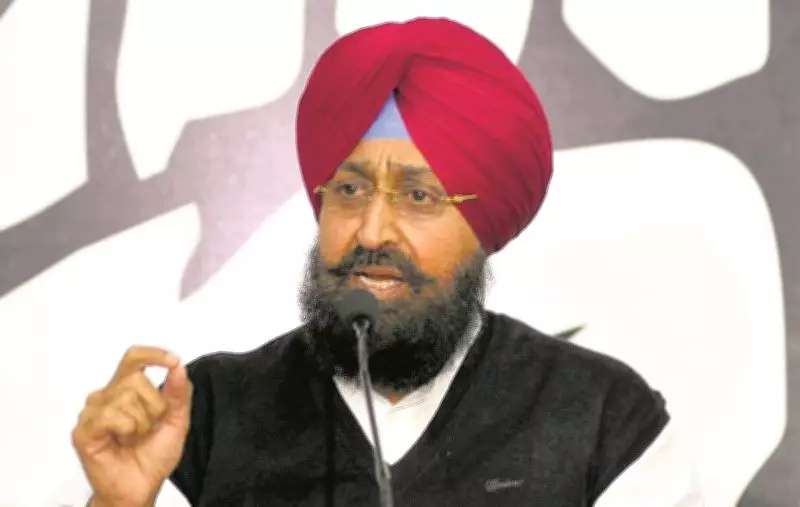
In a significant development, Leader of the Opposition (LoP) in Punjab, Partap Singh Bajwa, has leveled serious allegations against the ruling Aam Aadmi Party (AAP) government. Bajwa asserts that the administration's neutrality is being systematically eroded, with officials allegedly being misused for political gains. This accusation highlights growing tensions in the state's political landscape and raises critical questions about the integrity of governance.
Allegations of Political Misuse of Officials
Bajwa, a senior Congress leader, claims that the AAP government is engaging in practices that compromise the impartiality of the administrative machinery. He points to instances where civil servants and other officials are purportedly being directed to serve partisan interests rather than public welfare. This, according to Bajwa, undermines the foundational principles of a democratic setup where bureaucracy should remain neutral and apolitical.
The LoP emphasized that such actions not only violate ethical norms but also set a dangerous precedent for future administrations. He warned that if left unchecked, this trend could lead to a complete breakdown of administrative decorum, affecting service delivery and public trust in institutions.

Context and Implications for Punjab's Governance
Punjab has been witnessing intense political rivalries, especially between the Congress and AAP, since the latter came to power. Bajwa's allegations come at a time when the state is grappling with various socio-economic challenges, including agricultural distress and fiscal constraints. The erosion of administrative neutrality, as alleged, could exacerbate these issues by diverting resources and attention away from critical public needs.
Experts suggest that maintaining a neutral bureaucracy is crucial for effective governance, as it ensures policies are implemented without bias and in the best interest of all citizens. Bajwa's statements have sparked debates among political analysts, with some calling for immediate corrective measures to restore faith in the system.
Response and Broader Political Ramifications
While the AAP government has yet to issue an official response to Bajwa's claims, the allegations are likely to fuel further political confrontations. Opposition parties may use this issue to rally support and criticize the ruling dispensation's handling of administrative affairs. This could impact upcoming electoral dynamics in Punjab, where both state and national parties are vying for influence.
Moreover, the controversy underscores the need for robust institutional safeguards to protect administrative neutrality. Bajwa has urged civil society and media to scrutinize the government's actions closely, emphasizing that transparency and accountability are non-negotiable in a democracy.
- Allegations of misuse of officials for political purposes by the AAP government.
- Concerns about the erosion of administrative neutrality affecting governance.
- Potential implications for public trust and service delivery in Punjab.
- Calls for institutional measures to ensure bureaucratic impartiality.
In summary, Partap Singh Bajwa's accusations have brought to the fore critical issues regarding administrative integrity in Punjab. As the political discourse intensifies, the focus remains on whether the state government will address these concerns or face heightened opposition scrutiny. The outcome could shape the trajectory of Punjab's governance and political stability in the coming months.