Punjab Assembly Unanimously Approves Landmark Bills on Mining and Education
The Punjab Assembly, in a significant legislative session held on Monday, passed two crucial bills aimed at addressing key state issues. The assembly gave its unanimous approval to the Punjab Regulation of Crusher Units and Stockists and Retailers (Amendment) Bill, 2026, and the Sri Guru Tegh Bahadur World Class University, Punjab Bill, 2026. These measures are set to impact the state's economy and educational landscape profoundly.
Mining Bill Focuses on Curbing Illegal Activities and Boosting Revenue
Introduced by Water Resources and Mining Minister Barinder Kumar Goyal, the mining amendment bill sparked intense debate in the assembly. The discussion centered on the rampant issue of illegal mining, which has led to substantial revenue losses and severe damage to rural infrastructure, including roads. The bill aims to enhance regulatory oversight over stone crusher units and handlers of minor minerals, with a strong emphasis on environmental compliance and accountability.
Key provisions of the bill include stricter registration norms for operators, mandatory online reporting systems to track activities, the introduction of an infrastructure damage fee, and enhanced penalties for illegal mining operations. These measures are designed to strengthen industry accountability and ensure that mining activities contribute positively to the state's economy without harming the environment.
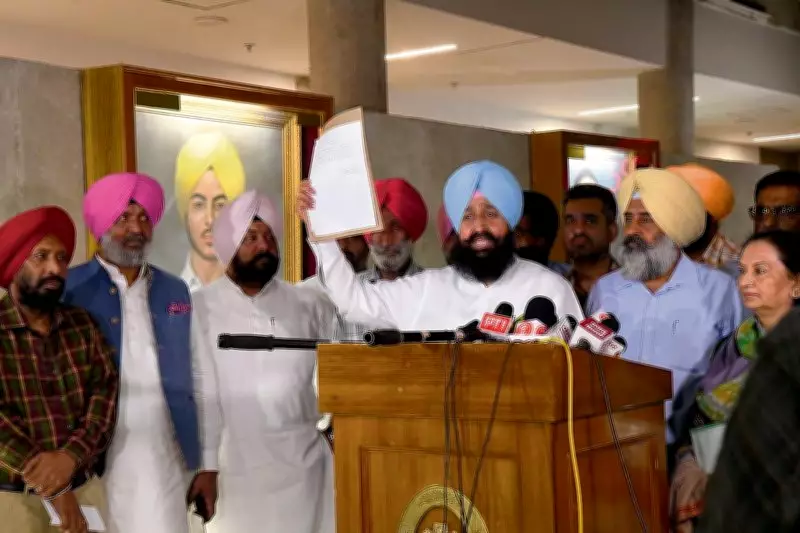
During the debate, Leader of the Opposition Partap Singh Bajwa highlighted unfulfilled promises from previous elections, noting that AAP national convener Arvind Kejriwal had claimed an annual income of Rs 20,000 crore from mining, which has not materialized. Bajwa alleged widespread illegal mining continues to plague the state.
In response, Minister Goyal defended Kejriwal's statement, asserting that the projected revenue could have been achieved with greater cooperation from the central government. He pointed out that the Geological Survey of India has not progressed beyond initial surveys for potash mining in Punjab. Goyal clarified that what opponents label as illegal mining includes state-approved extraction of 4.50 crore cubic meters of soil for national highway construction, priced at Rs 3 per cubic meter. He assured the assembly that a complaint filed by a Ropar sub-divisional officer regarding illegal mining allegations is under investigation, with strict action promised against any guilty parties.
New University to Honor Guru Tegh Bahadur with World-Class Education
The second bill, introduced by Education Minister Harjot Singh Bains, establishes the Sri Guru Tegh Bahadur World Class University in Punjab. This initiative aims to create a premier educational institution named after the revered Sikh guru, offering advanced courses to students. Minister Bains shared detailed plans for the academic programs to be offered, emphasizing the university's goal to provide high-quality education on a global scale.
While supporting the bill on behalf of the Congress party, Leader of the Opposition Partap Singh Bajwa raised concerns about the project's financial implications, questioning the overall cost and funding mechanisms. Despite these queries, the bill received unanimous support from all members present, reflecting a collective commitment to enhancing Punjab's educational infrastructure.
After thorough discussions on both bills, the Punjab Assembly passed them unanimously, marking a pivotal moment in the state's legislative agenda. These bills are expected to address critical issues in mining regulation and educational development, contributing to Punjab's growth and governance.