Congress MLA Pargat Singh Slams Punjab Government Over Pension Delays Affecting 35 Lakh Vulnerable Beneficiaries
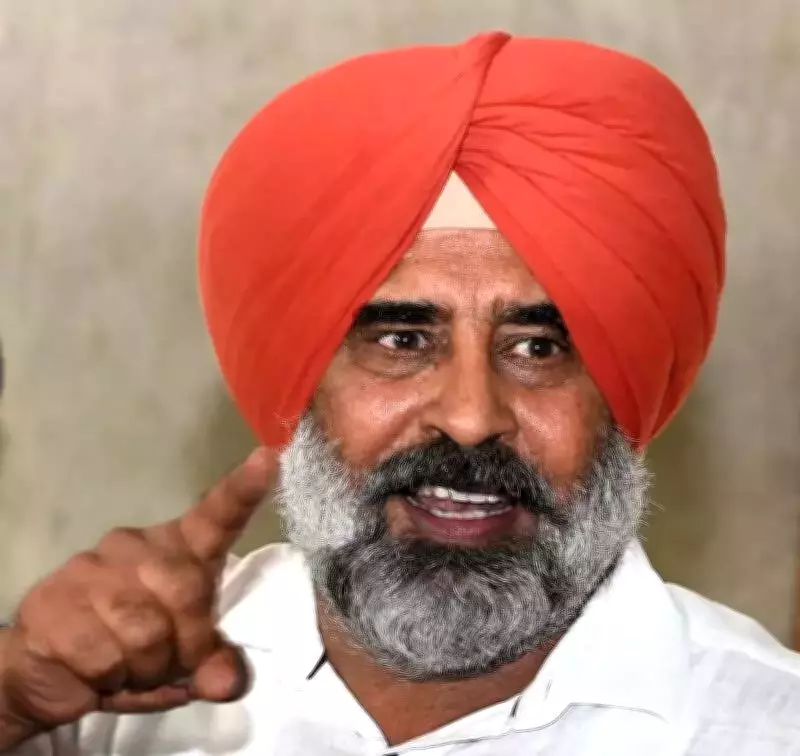
In a sharp critique of the Bhagwant Mann-led Aam Aadmi Party (AAP) government in Punjab, Congress MLA Pargat Singh from Jalandhar Cantonment has alleged that nearly 35 lakh beneficiaries, including the elderly, widows, and persons with disabilities, were deprived of social security pensions between October and December 2025. Speaking to the media outside the assembly complex on Friday, Singh condemned the delays, emphasizing the critical role these pensions play in supporting society's most vulnerable sections.
Pensions as Crucial Support, Not Government Favors
Pargat Singh stated that social security pensions should not be treated as a favor by the government but as a crucial lifeline for those in need. "Thousands of people depend on this modest assistance for daily survival. A delay of three months is not merely an administrative lapse; it places an additional burden on those who are already struggling," he asserted. His remarks highlight the severe impact of the pension delays on individuals who rely on these funds for basic necessities.
Questioning AAP's Pre-Poll Promises and Commitment to Welfare
Taking a direct swipe at the AAP's pre-election assurances, Singh pointed out that the party had promised to raise the old-age pension to Rs 2,500 per month. However, he criticized the government for failing to ensure the regular disbursal of the existing pension, let alone implementing the promised increase. "This raises serious questions about the government's commitment to welfare. The Bhagwant Mann government must stop offering excuses and honor its promise by increasing the pension by Rs 1,000 so that it reaches the promised level of Rs 2,500," he added.

The Congress MLA's allegations underscore a growing concern over the administration's handling of social welfare schemes in Punjab. With 35 lakh beneficiaries affected, the issue has sparked debates about governance and accountability in the state. Singh's call for immediate action reflects broader demands for transparency and efficiency in public service delivery, particularly for marginalized groups.