

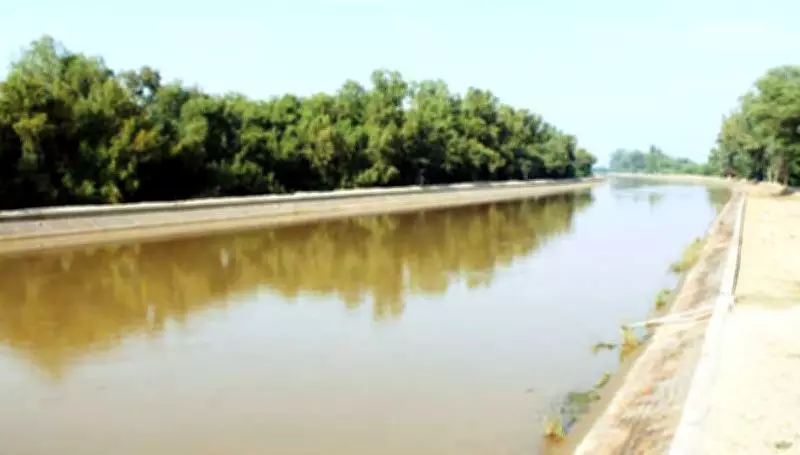
Punjab Human Rights Panel Takes Action on Toxic Canal Water Crisis
The Punjab State Human Rights Commission (PSHRC) has intervened decisively in a growing environmental and public health crisis, demanding an urgent report from state authorities. This action comes in direct response to an investigative report published by The Tribune, which exposed the presence of highly toxic water in irrigation canals across four key districts of the state.
Commission Issues Directive Following Media Revelation
Acting on the newspaper's findings, the PSHRC has formally called for a comprehensive report from the concerned government departments. The commission has set a strict deadline of four weeks for the submission of this detailed account. The directive specifically targets the alarming situation in the districts of Ludhiana, Jalandhar, Kapurthala, and Hoshiarpur, where canal water, crucial for agriculture and local ecosystems, has been found to be contaminated with hazardous substances.
Investigative Journalism Triggers Official Scrutiny
The original Tribune report served as a critical catalyst, bringing the severe issue to the forefront of public and institutional attention. It documented how the polluted water in these canals poses significant health risks to thousands of residents who rely on these water bodies for various daily needs. The contamination is suspected to stem from industrial discharge and inadequate waste management practices, turning vital water sources into potential vectors for disease.

Implications for Public Health and Agriculture
The presence of toxic elements in irrigation canals has far-reaching consequences:
- Health Hazards: Communities using this water for drinking, bathing, or household purposes are at immediate risk of waterborne illnesses and long-term health complications.
- Agricultural Damage: The use of contaminated water for irrigation threatens crop safety, soil health, and ultimately, food security in the region.
- Environmental Degradation: The pollution disrupts local aquatic life and damages the broader ecological balance of the areas.
The human rights panel's intervention underscores the severity of the issue, framing it not just as an environmental concern, but as a fundamental violation of residents' right to a safe and healthy living environment.
Authorities Under Pressure to Respond
The four-week deadline imposed by the PSHRC places considerable pressure on the Punjab government's irrigation, public health, and pollution control departments. They are now compelled to:
- Conduct a thorough investigation into the sources and extent of the canal water contamination.
- Assess the immediate and long-term health impacts on the affected populations.
- Formulate and propose actionable remediation plans to address the pollution and prevent future occurrences.
This case highlights the powerful role of vigilant journalism in holding institutions accountable and triggering necessary governmental action on critical public welfare issues. The awaited report will be crucial in determining the next steps toward mitigating this public health emergency and ensuring the right to clean water for the residents of Punjab.






