Punjab Mobilizes 18,000 Teachers for Electoral Revision as Booth Level Officers
The Punjab government has announced a significant initiative to depute approximately 18,000 teachers from the state's education department as Booth Level Officers (BLOs) for the upcoming electoral revision process. This move aims to leverage the extensive network and organizational skills of educators to ensure a smooth and efficient revision of voter lists across the region.
Strategic Deployment for Electoral Accuracy
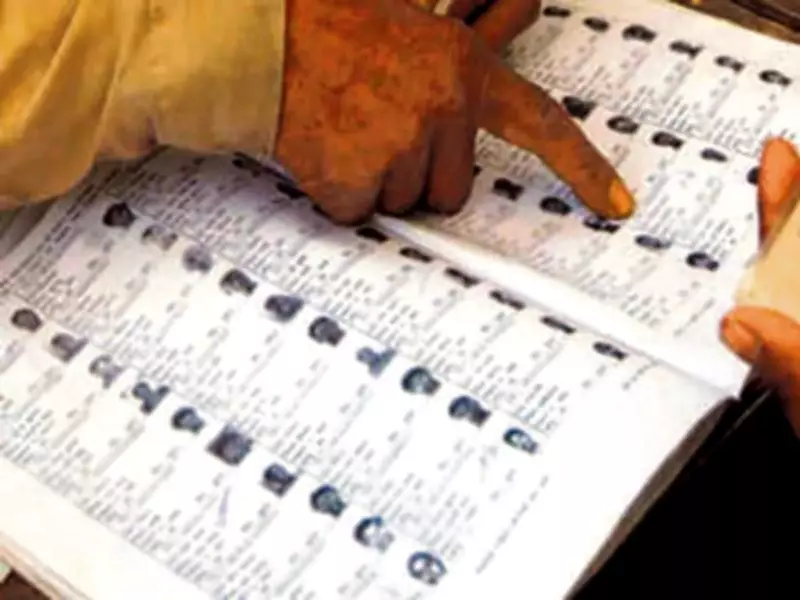
Teachers will be assigned to various polling booths to assist in updating and verifying voter details, a critical task ahead of any major election. Their role as BLOs involves door-to-door surveys, data collection, and addressing discrepancies in the electoral rolls, which are essential for maintaining the integrity of the democratic process. This deployment underscores the state's commitment to enhancing electoral transparency and accuracy.
Alternative Arrangements for Teaching Duties Underway
With a large number of teachers being diverted to electoral duties, the education department is actively working on alternative arrangements to minimize disruption to academic activities. Officials have indicated that plans are being formulated to ensure that students' learning is not adversely affected. This may include temporary staffing solutions, adjusted schedules, or leveraging digital tools to maintain educational continuity.
Impact on School Operations: The deputation of such a substantial workforce is expected to pose logistical challenges for schools, particularly in rural areas where teacher availability is already a concern. However, authorities are optimistic that with proper planning, the transition can be managed effectively without compromising educational standards.
Broader Implications for Governance and Education
This initiative highlights the intersection of governance and public service, where educators are called upon to contribute beyond their traditional roles. It also raises questions about resource allocation and the balancing of electoral responsibilities with educational commitments. Stakeholders, including teacher unions and parent associations, are closely monitoring the situation to ensure that both electoral and educational objectives are met without undue strain on either system.
Looking Ahead: As the electoral revision progresses, the performance of teachers as BLOs will be closely watched, potentially setting a precedent for similar collaborations in other states. The success of this endeavor could influence future policies on utilizing public servants for civic duties while safeguarding their primary responsibilities.