Punjab Government to Settle Panchayat Electricity Dues with Finance Commission Funds
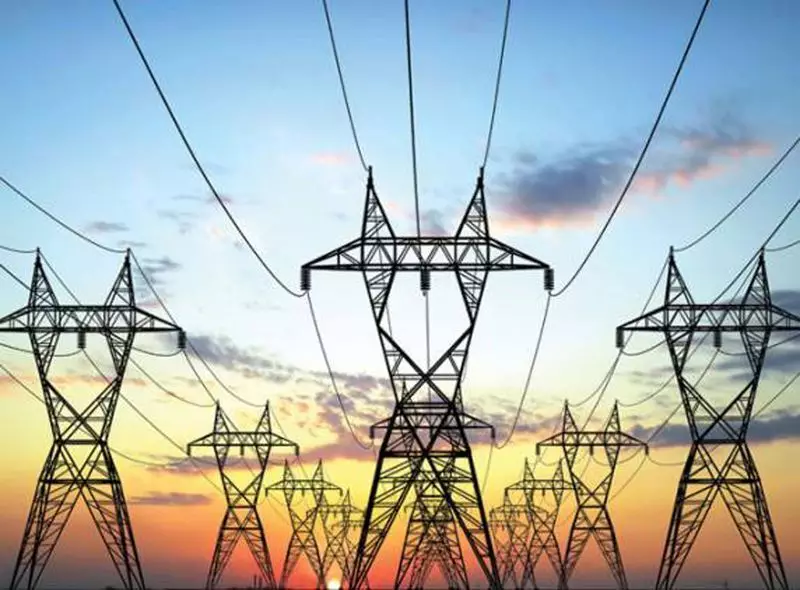
The Punjab government has announced a significant financial initiative to address the longstanding issue of unpaid electricity bills for rural local bodies. According to recent reports, the state will utilize funds allocated by the 15th Finance Commission to clear outstanding dues amounting to a staggering Rs 663 crore. This move is expected to provide much-needed relief to panchayats across the state, which have been grappling with financial constraints due to these accumulated liabilities.
Utilizing Central Funds for Local Development
The decision to tap into Finance Commission funds underscores the state's commitment to strengthening grassroots governance. The 15th Finance Commission, a constitutional body that recommends the distribution of tax revenues between the central government and states, has provided specific allocations for local bodies. By directing these resources towards clearing power dues, the Punjab government aims to enhance the operational efficiency of panchayats. This step is crucial as it will free up resources that can be redirected towards essential rural services and infrastructure projects.
Impact on Rural Governance and Service Delivery
The clearance of these dues is anticipated to have a positive ripple effect on rural development in Punjab. Panchayats, which are responsible for key functions such as water supply, sanitation, and local infrastructure, have often faced disruptions due to unpaid electricity bills. With the settlement of these dues, they will be better positioned to:

- Improve financial stability and creditworthiness
- Ensure uninterrupted power supply for public services
- Focus on developmental activities without the burden of debt
- Enhance transparency and accountability in local governance
This initiative aligns with broader efforts to empower local self-government institutions and promote sustainable rural growth.
Broader Implications for State Finances
While the use of Finance Commission funds for this purpose is a strategic move, it also highlights the ongoing challenges in managing state finances. The accumulation of such substantial dues points to systemic issues in revenue collection and fiscal management at the local level. The Punjab government's intervention is seen as a necessary step to prevent further escalation of liabilities and to foster a more robust financial framework for panchayats. Experts suggest that this could set a precedent for other states facing similar issues, encouraging them to explore innovative funding mechanisms to support local bodies.
In conclusion, the decision to clear Rs 663 crore in panchayat power dues using Finance Commission funds marks a pivotal moment for rural governance in Punjab. It not only addresses immediate financial distress but also paves the way for more efficient and effective local administration, ultimately benefiting the residents of rural areas across the state.