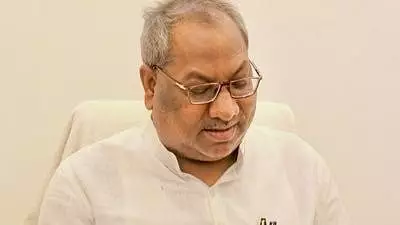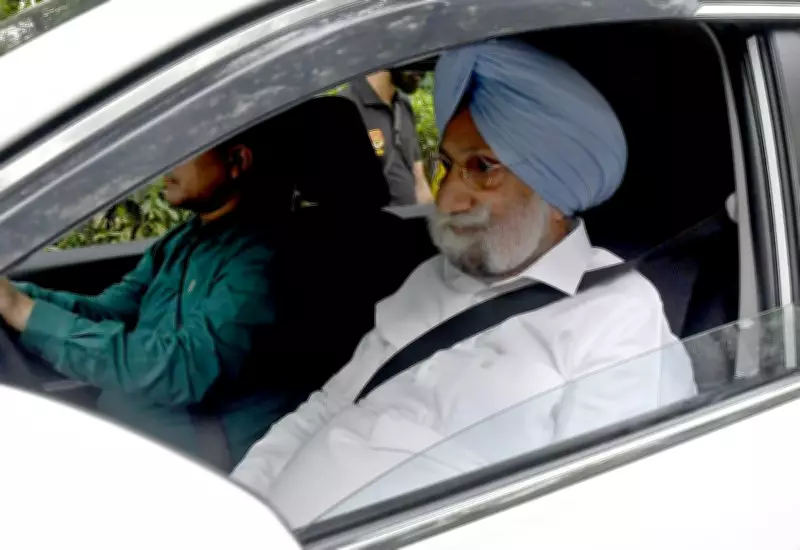
In a significant political development, senior Congress leader Rahul Gandhi conducted a series of one-on-one meetings with five prominent Punjab Congress leaders, sparking speculation about an impending organisational overhaul in the state unit. The closed-door discussions, held at the party headquarters, are seen as part of a broader strategy to revitalise the Congress in Punjab ahead of the upcoming assembly elections.
Strategic Consultations
According to party sources, Rahul Gandhi met individually with each leader to discuss the current political situation in Punjab, internal party dynamics, and potential strategies to counter the ruling Aam Aadmi Party (AAP). The meetings lasted over two hours and were described as "candid and constructive" by those present.
The five leaders who participated in the talks include former state party chief Navjot Singh Sidhu, ex-deputy chief minister Sukhjinder Singh Randhawa, former minister Tript Rajinder Singh Bajwa, MLA Pargat Singh, and Rajya Sabha member Partap Singh Bajwa. Each leader was given an opportunity to present their views on the party's performance and future roadmap.

Organisational Reset on the Cards
Rahul Gandhi is believed to have hinted at a possible organisational reset, including changes in the state leadership structure. The move aims to address factionalism within the Punjab Congress, which has been a persistent challenge for the party. Sources indicate that a new state executive committee may be formed, with younger faces being given more prominent roles.
“The discussions focused on strengthening the party at the grassroots level and ensuring better coordination between leaders and workers,” a party insider revealed. “Rahul ji emphasised the need for unity and collective effort to regain the trust of the people of Punjab.”
Political Context
The meetings come at a critical juncture for the Congress in Punjab, which has been grappling with internal strife and a decline in electoral fortunes. The party lost the 2022 assembly elections to the AAP, winning only 18 seats. Since then, several leaders have publicly aired their grievances, leading to a fractured public image.
Rahul Gandhi’s initiative is part of a larger effort by the Congress high command to address organisational issues in key states. Similar consultations have been held in other states like Rajasthan and Chhattisgarh, where the party is in power or is a major contender.
Leaders’ Reactions
While none of the leaders made detailed public statements after the meetings, they expressed optimism about the way forward. Navjot Singh Sidhu, who has been vocal about his disagreements with the party leadership, described the interaction as “positive and forward-looking.” Sukhjinder Singh Randhawa echoed similar sentiments, saying that the party is committed to resolving internal issues.
Political analysts view these meetings as a crucial step towards mending fences within the Punjab Congress. “Rahul Gandhi’s direct engagement with factional leaders signals his intent to take charge and streamline the party machinery,” said Dr. Harpreet Kaur, a political science professor at Punjabi University. “However, the real test will be in the implementation of any proposed changes.”
Way Forward
The Congress hopes that an organisational reset will help it present a united front against the AAP and the Bharatiya Janata Party (BJP) in the next elections. With the 2024 Lok Sabha polls approaching, the party cannot afford to lose ground in Punjab, which sends 13 MPs to the lower house.
Rahul Gandhi is expected to hold further meetings with district-level leaders and workers in the coming weeks to gather feedback and build consensus. The party is also planning a series of public outreach programmes to reconnect with voters.
As the political landscape in Punjab evolves, all eyes are on the Congress’s next moves. Whether the organisational reset will translate into electoral success remains to be seen, but the initial signals suggest a renewed focus on unity and strategic planning.