Raichur Bandh Demanding Internal Quota in Government Jobs Evokes Widespread Response
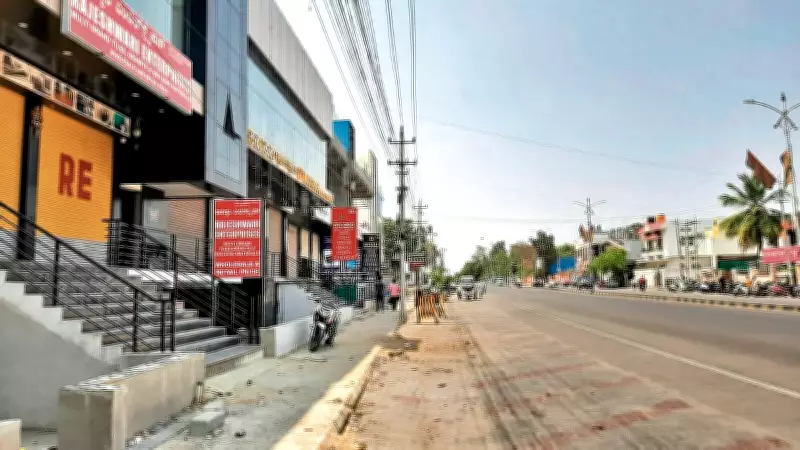
A bandh called in Raichur, Karnataka, to demand internal reservation in government jobs for marginalized communities within the Scheduled Castes (SCs) and Scheduled Tribes (STs) evoked a strong response on Thursday, significantly impacting daily life in the district. The protest, organized by various social and political groups, saw widespread participation, with shops, businesses, and educational institutions remaining closed, and public transport services largely suspended.
Key Demands and Political Context
The bandh was called to press for the implementation of internal reservation within the existing quota system for SCs and STs in Karnataka. Protesters argue that certain sub-groups within these communities, such as the Madiga and other marginalized sections, are not adequately represented in government jobs and educational institutions despite overall reservation policies. They demand a sub-categorization or internal quota to ensure more equitable distribution of benefits.
This issue has been a long-standing demand in Karnataka, with political parties often leveraging it during elections. The bandh comes amid ongoing debates over social justice and reservation policies in the state, reflecting broader tensions over caste-based representation in public employment.

Impact on Daily Life and Public Response
The bandh had a noticeable impact on Raichur's daily activities. Markets and commercial establishments remained shut, while schools and colleges were closed for the day. Public transportation, including buses and auto-rickshaws, was minimal, causing inconvenience to residents. However, emergency services like hospitals and pharmacies continued to operate normally.
Protesters held rallies and demonstrations across the district, with leaders from various organizations addressing crowds to highlight the need for internal reservation. The response was largely peaceful, with no major incidents of violence reported, although police were deployed in key areas to maintain law and order.
Political Reactions and Future Implications
Political reactions to the bandh were mixed. Some opposition parties expressed support for the demand, criticizing the state government for not addressing the issue promptly. In contrast, ruling party members emphasized the need for a balanced approach, citing legal and constitutional challenges in implementing internal quotas.
The bandh is expected to intensify pressure on the Karnataka government to take concrete steps toward sub-categorization of reservations. It also highlights the growing demand for more nuanced reservation policies that address intra-community disparities, a trend observed in other Indian states as well.
As the protest concludes, stakeholders are awaiting official responses from state authorities, with potential implications for future policy decisions and social movements in Karnataka.