

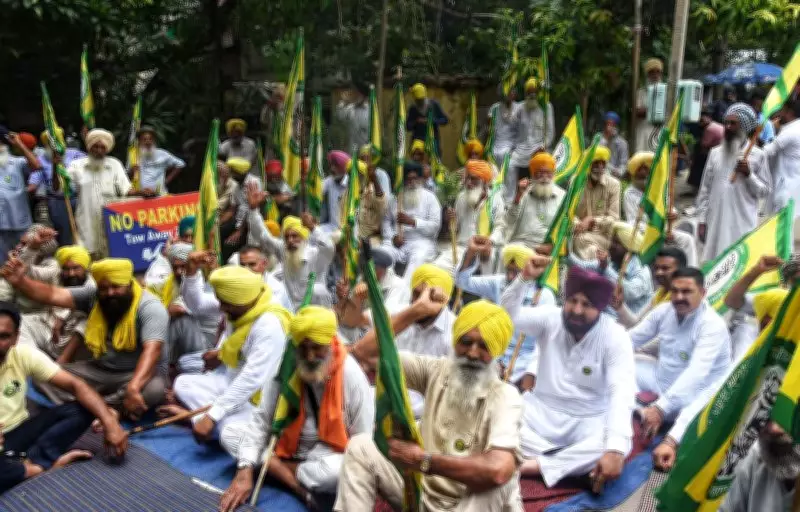
Rail Roko Protest in Ludhiana to Impact Six Train Services
Farmers in the Ludhiana region are gearing up for a significant rail roko protest today, which is expected to disrupt the operations of at least six train services. This demonstration underscores the persistent agrarian challenges faced by the farming community and may lead to substantial travel delays for passengers.
Details of the Protest and Anticipated Disruptions
The rail roko agitation is scheduled to take place in Ludhiana, a major industrial and agricultural hub in Punjab. Organizers have confirmed that the protest will involve blocking railway tracks to draw attention to their demands, which primarily revolve around issues such as fair crop prices, loan waivers, and improved government support for agriculture. Authorities have identified six specific train routes that are likely to be affected by the demonstration, potentially causing cancellations or significant delays.
Local police and railway officials are on high alert, coordinating efforts to manage the situation and minimize inconvenience to commuters. Passengers are advised to check with railway authorities for real-time updates on train schedules and alternative travel arrangements. The protest is part of a broader wave of farmer agitations across the region, reflecting deep-seated concerns over economic hardships and policy implementation.

Broader Context and Implications
This rail roko protest in Ludhiana is not an isolated incident but rather a continuation of longstanding farmer movements in India. Over recent years, farmers have frequently resorted to such demonstrations to voice their grievances, often impacting transportation and drawing national attention. The current agitation highlights the urgent need for dialogue between farming communities and policymakers to address core issues like market access, input costs, and sustainable agricultural practices.
As the protest unfolds, it may also affect local businesses and supply chains, given Ludhiana's role as a key economic center. Stakeholders are closely monitoring the situation, with hopes for a peaceful resolution that balances the rights of protesters with the needs of the public. The outcome of today's demonstration could set a precedent for future farmer actions and government responses in the region.






