

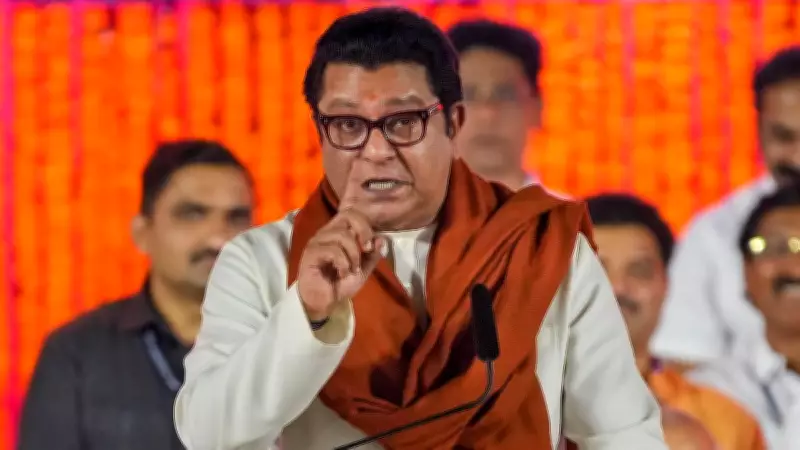
Raj Thackeray Launches Sharp Critique Against RSS Chief Mohan Bhagwat
In a strongly worded statement, Maharashtra Navnirman Sena (MNS) chief Raj Thackeray has publicly condemned Rashtriya Swayamsevak Sangh (RSS) chief Mohan Bhagwat for his recent remarks concerning language. Thackeray's critique centers on Bhagwat's perceived audacity in making such statements, which he attributes not to the inherent tolerance of the Marathi people but to what he describes as the political spinelessness of the ruling establishment.
Thackeray's Core Argument: Weak Leadership, Not Tolerance
Raj Thackeray articulated that Mohan Bhagwat's ability to speak freely on sensitive language matters stems directly from a lack of firm leadership and political will among those in power. He emphasized that this situation does not reflect the broad-mindedness or patience of the Marathi community, but rather highlights a significant failure in governance and authority. According to Thackeray, it is this vacuum of strong political response that emboldens figures like Bhagwat to voice opinions that might otherwise be challenged more robustly.
Context of the Language Debate
The controversy arises amidst ongoing national discussions about language policy and cultural identity in India. Mohan Bhagwat's comments have previously touched on themes related to linguistic unity and diversity, often sparking debates across political and social spectrums. Thackeray's response positions him as a defender of regional linguistic pride, particularly Marathi, while critiquing what he sees as overreach by central ideological figures. This incident underscores the persistent tensions between regional identity politics and national narratives in contemporary Indian discourse.

Political Implications and Reactions
This public denunciation by Raj Thackeray is likely to resonate within Maharashtra's political landscape, where language and identity are potent issues. It may influence upcoming political strategies and alliances, especially as parties navigate the complex interplay of regional and national interests. Observers note that such statements could galvanize support among constituencies sensitive to linguistic pride, while potentially straining relations with groups aligned with the RSS's broader ideological framework. The timing, in early 2026, suggests this could be a precursor to more intense political maneuvering in the state.
Broader Significance in Indian Politics
The exchange between Thackeray and Bhagwat reflects larger trends in Indian politics, where language often serves as a flashpoint for debates over federalism, cultural autonomy, and national integration. As leaders like Thackeray assert regional perspectives, it challenges homogenizing tendencies and calls for a more nuanced approach to India's linguistic diversity. This episode adds to a growing body of incidents that highlight the delicate balance between unity and diversity in the world's largest democracy, with implications for policy-making and social harmony.
Reported by Mrityunjay Bose, with developments current as of February 10, 2026. The situation continues to evolve, with stakeholders monitoring responses from various political quarters and civil society groups.






