A recent selection board for promoting Rajasthan Forest Service (RFS) officers to the elite Indian Forest Service (IFS) has become mired in controversy. Allegations of serious procedural irregularities have emerged, casting a shadow over the promotions finalized on December 5.
Core of the Controversy: Eligibility Criteria Under Scrutiny
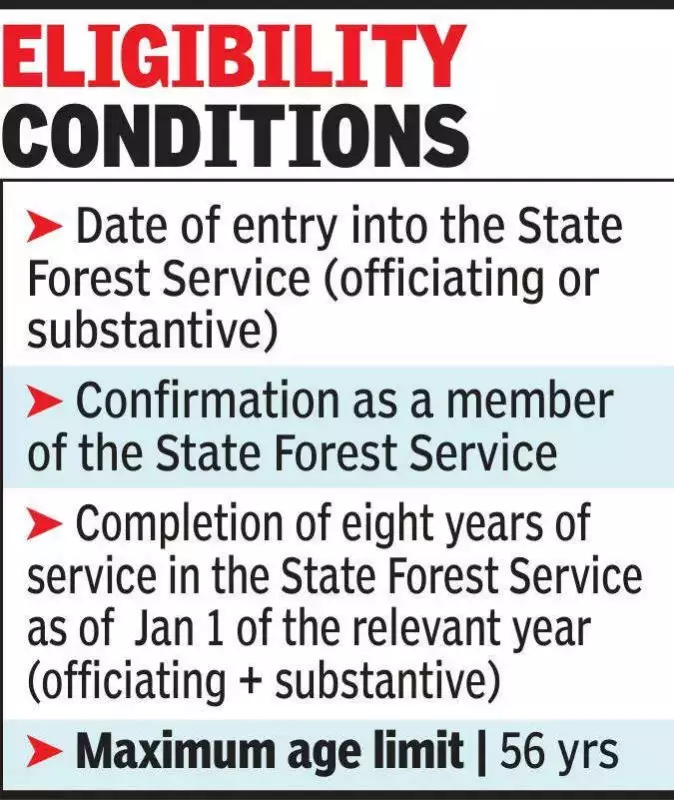
At the heart of the dispute is the alleged violation of mandatory eligibility rules. Sources reveal that approximately 25 officers who did not meet the required eight years of service in the RFS by 2024 were reportedly promoted. Conversely, a significant number of officers who were fully eligible appear to have been sidelined in the process.
The Zone of Consideration for the IFS vacancies was set for the years 2020 to 2024. However, it is claimed that the selection board considered officers who only became eligible after 2024, raising fundamental questions about the adherence to established guidelines.

Historical Service Not Fully Counted
Further complicating the matter is the treatment of service periods for officers promoted from the Ranger cadre to the RFS between 2013 and 2017. Sources indicate that their full service tenure was not accounted for during eligibility assessments for previous selection boards. Despite fitting the criteria, these officers were allegedly excluded from consideration for the 2022 and 2023 boards.
What Do the Rules and Legal Precedents Say?
The controversy hinges on the interpretation of the Indian Forest Service (Recruitment) Rules, 1966. An official pointed to Rule 5, which mandates the completion of at least eight years of combined service in the state forest service as of January 1 of the relevant selection year.
Once appointed to a gazetted post in the RFS, including via promotion from the Ranger cadre, that service is typically recognized as part of the state forest service tenure. This interpretation is backed by strong legal precedents.
In the landmark Supreme Court case of P Maruthi Prasada Rao vs State of Andhra Pradesh, the court explicitly upheld that ad-hoc service counts towards eligibility for IFS promotion. Similar rulings in states like Uttarakhand have reinforced the principle that administrative processes must strictly adhere to recruitment rules.
Implications and Next Steps
The allegations have sparked discontent within the forest service ranks in Rajasthan. The perceived bypassing of rules not only demoralizes eligible officers but also sets a concerning precedent for future recruitment cycles. The situation calls for a transparent review of the December 5 selection board's decisions to ensure fairness and uphold the integrity of the promotion process. Stakeholders are now watching closely to see if corrective administrative or legal actions will follow.