

Ram Navami Clashes in Murshidabad Trigger Political Confrontation Between TMC and BJP
Violence erupted during Ram Navami celebrations in West Bengal's Murshidabad district, leading to a sharp political confrontation between the ruling Trinamool Congress and the opposition Bharatiya Janata Party. The clashes have intensified political tensions in the state ahead of crucial electoral battles scheduled for 2026.
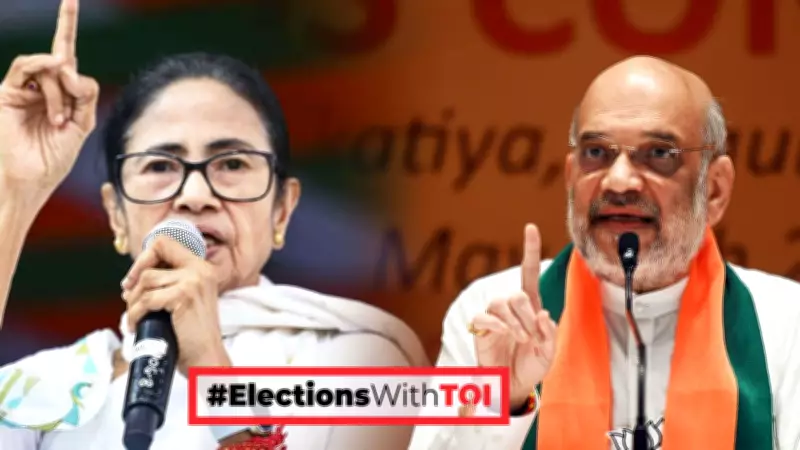
Mamata Banerjee Alleges Orchestrated Violence and Questions Administration
West Bengal Chief Minister Mamata Banerjee has made serious allegations regarding the incidents, claiming the violence was orchestrated rather than spontaneous. She specifically cited multiple troubling events including widespread looting, deliberate arson attacks, and armed processions moving through sensitive areas.
The Chief Minister pointed to specific locations where disturbances occurred, including Raghunathganj and Siuri, where reports indicate significant property damage and public disorder. Beyond criticizing the opposition, Banerjee raised critical questions about the role and effectiveness of local administration in controlling the volatile situation as it unfolded.

Amit Shah Counters Claims and Cites Improved Situation Control
Union Home Minister Amit Shah responded directly to Banerjee's allegations with a contrasting assessment of the situation. While acknowledging that violence should not occur at all during religious celebrations, Shah presented data suggesting that the number of such incidents has actually decreased following recent administrative changes.
Shah specifically referenced the Election Commission's decision to transfer certain officials as a contributing factor to improved control over potentially volatile situations. His statement represents a direct rebuttal to the Chief Minister's criticism of administrative handling while maintaining that complete prevention of violence remains the ultimate goal.
Broader Political Context and Electoral Implications
The exchange between these two prominent political leaders occurs against the backdrop of intensifying political competition in West Bengal. With crucial state elections approaching in 2026, both parties are positioning themselves to gain advantage with voters.
The Ram Navami clashes have provided fresh ammunition for political arguments about:
- Law and order management in the state
- Administrative effectiveness during religious events
- Political responsibility for communal harmony
- Electoral strategies ahead of 2026 polls
This incident follows a pattern of religious celebrations becoming flashpoints for political confrontation in West Bengal, with both major parties using such events to critique each other's governance approaches and commitment to maintaining public peace.
The political fallout from the Murshidabad clashes is likely to influence campaign narratives as electoral battles draw closer, with each side attempting to frame the incident to their advantage while blaming opponents for any breakdown in social harmony.






