

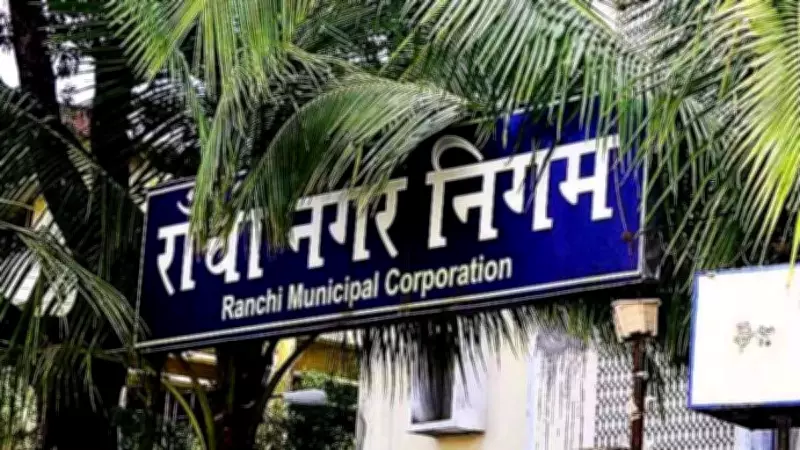
Ranchi's Ward 1 Residents Endure Persistent Civic Woes
In the heart of Ranchi, the residents of localities under Ward 1 of the Ranchi Municipal Corporation (RMC) face a daily struggle with crumbling infrastructure and neglected public services. From pothole-ridden roads to choking lanes and poor drainage systems, these challenges have become an ingrained part of everyday life, despite repeated electoral promises that have yielded little change on the ground.
Localities Plagued by Infrastructure Failures
The ward encompasses areas near Kanke Dam, including Tiklitoli, Tongri Toli, Hathiya Gonda, Adarsh Nagar, parts of Mission Gali, Jawahar Nagar, Chaudi, and Adalhatu. Home to over 17,000 people, it also borders the Potpoto river, where inadequate drainage and encroachments exacerbate monsoon-related problems. Residents report that several internal roads remain broken or uneven, severely hampering daily commutes.
Manoj Kumar, a resident of Adarsh Nagar, highlighted the severity of the situation: "In Tiklitoli and Tongri Toli, the lanes are so narrow that even small vehicles find it hard to pass. When it rains, potholes fill up, creating hazardous conditions for two-wheelers."

Another local, Dipu Prasad, voiced frustration over unfulfilled commitments: "We hear announcements every election cycle, but basic amenities like proper road surfacing and drainage are still pending. Garbage collection is irregular in parts of Mission Gali, adding to the squalor."
The Symbol of Stalled Progress: Urban Haat Project
Perhaps the most glaring example of stalled development in Ward 1 is the proposed Urban Haat near Kanke Dam. Conceived in 2016 and constructed at an estimated cost of Rs 10.63 crore, this market complex was designed to emulate Delhi Haat, aiming to promote local artisans and establish a vibrant cultural-commercial hub. Years later, the structure stands unopened and largely abandoned.
Sunita Devi, a resident, expressed disappointment: "It was projected as a landmark project for Ward 1. Today, it resembles an abandoned building. Crores of rupees were invested, yet there is no clarity on when it will become functional, symbolizing the broader neglect we face."
The unopened Urban Haat serves as a stark reminder of the gap between civic promises and tangible outcomes, leaving locals to contend with ongoing issues that affect their quality of life and economic opportunities.






