

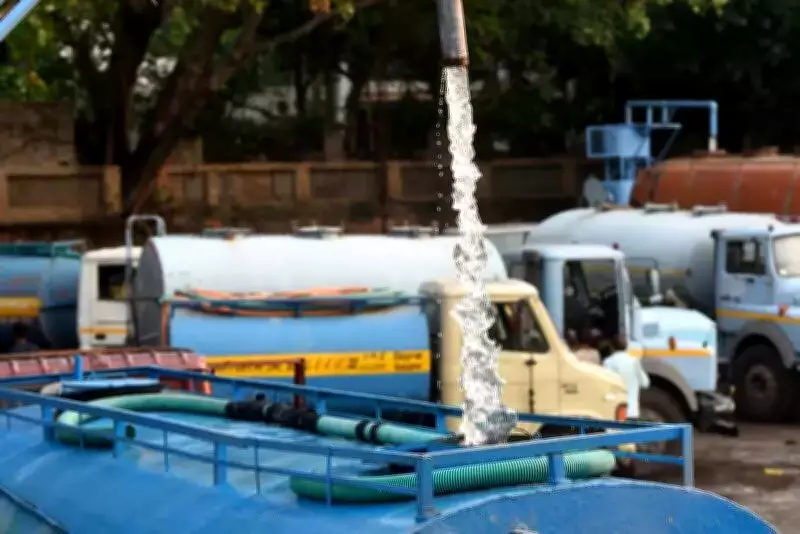
Ranchi Municipal Corporation Election: Wards 26 and 27 Seek End to Water and Sanitation Crisis
As the Ranchi Municipal Corporation (RMC) election approaches, residents of wards 26 and 27 are preparing to cast their votes with a clear demand: an immediate resolution to the acute water shortages and irregular sanitation services that have plagued their neighborhoods for far too long. The upcoming poll represents a critical opportunity for these communities to voice their frustrations and elect representatives who will prioritize these fundamental civic issues.
Chronic Water Scarcity Disrupts Daily Life in Ward 26
In ward number 26, encompassing areas such as Budha Vihar Colony, Ashok Nikat Road, Kartik Oraon Road, Patel Road, and Sri Ram Nagar, residents endure prolonged periods without access to piped water. The supply of potable water through municipal pipelines remains highly erratic, with taps frequently running dry for several consecutive days. This persistent scarcity severely impacts household routines, cooking, cleaning, and basic hygiene maintenance.
Deepa Prasad, a resident of Sri Ram Nagar, expressed the community's distress: "We regularly face situations where water is not supplied for two to three days at a stretch. Managing essential tasks like cooking meals, cleaning our homes, and securing drinking water becomes an immense challenge. Families are forced to store whatever water becomes available whenever it arrives, as daily household work becomes virtually impossible otherwise."

Ward 27 Residents Forced to Seek Alternative Water Sources
Similar dire conditions prevail in ward number 27, which includes Veer Kunwar Singh Chowk, Jojo Street, Ayodhya Street, River Side Street, and Farooqui Street. Here, the unreliable municipal water supply has compelled numerous families to depend on private water sources or borrow water from neighboring areas. The situation creates particular hardship for vulnerable family members, including children and the elderly.
Mani Tirki, living in Farooqui Street, highlighted the human impact: "Even fulfilling basic needs like bathing children or caring for elderly family members transforms into a significant challenge when there is no water available. This isn't just an inconvenience—it's a crisis affecting our health and dignity."
Notably, ward number 27 falls under a designated dry zone. Although a water tower was constructed several years ago to address this issue, residents report that it currently remains non-functional, representing a wasted infrastructure investment.
Sanitation Services Compounded by Water Shortages
The water crisis directly exacerbates sanitation problems across both wards. Locals consistently allege that municipal cleaning work is not carried out on schedule, leading to significant garbage accumulation and creating unhygienic living environments. Without reliable water access, maintaining basic cleanliness at home becomes extraordinarily difficult, and when combined with irregular sanitation services, the situation escalates to alarming levels.
S N Singh, an aspiring candidate for ward 26, connected these intertwined issues: "The absence of consistent water supply makes maintaining household cleanliness an uphill battle. When sanitation services are also irregular and unreliable, the overall public health situation becomes genuinely concerning for all residents."
Candidates Promise Action Amidst Voter Frustration
Aspiring candidates acknowledge the severity of these problems and the frustration they generate among voters. Manoj Singh, an aspiring candidate for ward 27, pointed to systemic failures: "Residents have made repeated complaints to local authorities, yet no permanent solution has been implemented. Our demands are clear: immediate restoration of regular water supply, timely and consistent sanitation services, and strict monitoring of field staff to ensure accountability."
The upcoming RMC election thus becomes more than a routine political exercise for wards 26 and 27. It represents a referendum on basic civic governance, with water access and sanitation at the forefront of voter concerns. Residents hope their ballots will finally translate into tangible improvements that restore normalcy to their daily lives and living conditions.






