

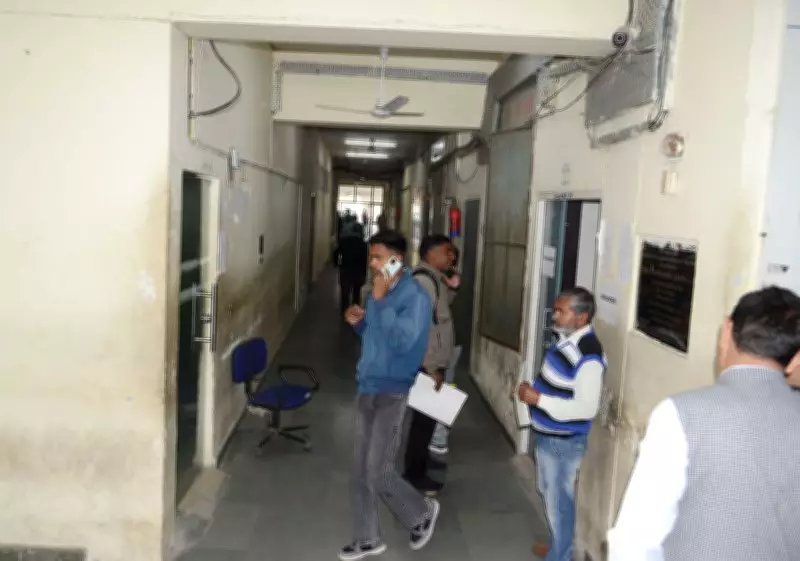
Revenue Officials' Strike Paralyzes Public Services Across Haryana
An indefinite strike by revenue officials in Haryana has brought essential public services to a grinding halt, causing significant disruption across the state. The protest, which began recently, involves patwaris, kanungos, and other revenue department staff who are demanding better pay scales and service conditions.
Widespread Impact on Citizen Services
The strike has severely affected key administrative functions, particularly those related to land and property. Land registration processes have been completely suspended, preventing citizens from buying or selling property. Mutation services, which are crucial for updating land records after transactions, have also been disrupted, leaving many property deals in limbo.
Other impacted services include the issuance of caste and income certificates, which are often required for educational admissions and government schemes. The verification of land records for loan applications and legal purposes has come to a standstill, creating bottlenecks in both personal and commercial matters.

Root Causes of the Protest
The revenue officials are protesting primarily over long-pending demands for pay scale revisions and improved working conditions. They argue that their current compensation does not reflect the complexity and importance of their work in maintaining land records, which form the backbone of rural and urban administration in Haryana.
Additional grievances include issues related to promotions, job security, and the implementation of previous agreements with the state government. The striking employees claim that despite multiple representations, their concerns have not been adequately addressed, forcing them to resort to industrial action.
Government Response and Public Reaction
The Haryana government has acknowledged the disruption and is reportedly engaging with the striking officials to find a resolution. However, no breakthrough has been achieved so far, leaving citizens to bear the brunt of the service outage.
Public reaction has been one of frustration, with many citizens expressing concern over delayed property transactions and administrative work. Farmers, in particular, are affected as they rely on timely mutation services for agricultural land transfers. The strike has also impacted businesses that depend on land record verifications for loans and investments.
Historical Context and Broader Implications
This is not the first time revenue officials in Haryana have gone on strike, highlighting persistent issues in the state's administrative machinery. Similar protests have occurred in the past, often resolved through temporary measures that fail to address underlying structural problems.
The current strike underscores broader challenges in public service delivery in India, where disputes over pay and conditions frequently lead to service disruptions. It also raises questions about the resilience of administrative systems and the need for more sustainable solutions to employee grievances.
As the strike continues, the immediate focus remains on restoring essential services. However, long-term resolution will require addressing the core demands of the revenue officials to prevent future disruptions and ensure smooth functioning of public administration in Haryana.






