

Unseasonal Weather Wreaks Havoc on Rabi Crops in Rohtak Region
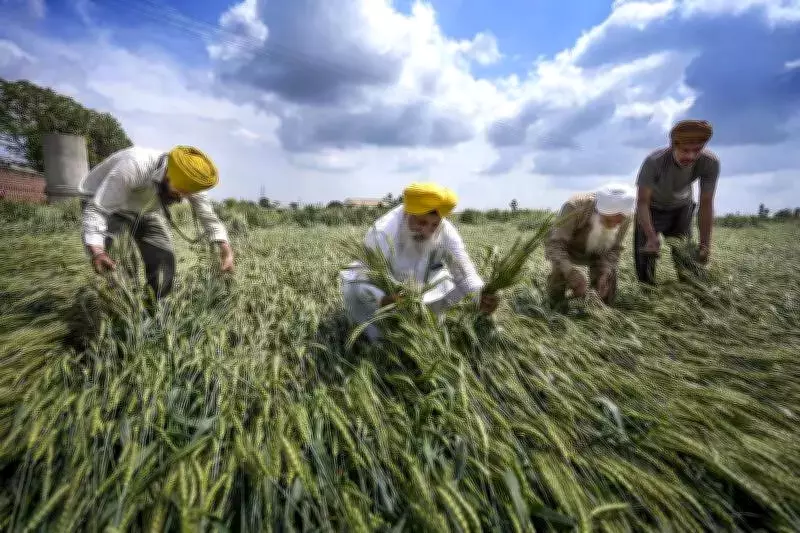
Over the past three days, unseasonal rain and powerful winds have inflicted severe damage on agricultural lands in Rohtak and the neighboring districts of Jhajjar and Dadri. This unexpected weather event has raised significant concerns about substantial losses to standing rabi crops, particularly wheat and mustard, which are crucial to the local economy.
Extensive Crop Damage and Waterlogging Issues
According to official estimates, mustard cultivation spans approximately 1.55 lakh acres in Dadri alone, while wheat covers around 1.10 lakh hectares in the district. The continuous rainfall, accompanied by gusty winds, has flattened nearly mature wheat crops in numerous areas. This flattening increases the risk of grain discolouration and a potential decline in yield, threatening the harvest quality.
Simultaneously, the mustard crop is on the verge of shedding due to the adverse weather impact. Persistent rainfall has also led to waterlogging in fields, further aggravating the situation. Farmers are deeply worried about losing their year-long hard work, as waterlogged conditions can hinder crop recovery and exacerbate losses.

Farmers' Response and Administrative Actions
Preet Singh, the district president of Kisan Sabha, reported that hundreds of acres of wheat and mustard crops have been flattened, causing severe financial losses to farmers. "A team of Kisan Sabha has been in the field to make a reality check, and soon a memorandum will be given to the deputy commissioner for assessing the losses for compensation," he stated. In response, the administration has deployed teams from the agriculture department to conduct ground assessments and evaluate the extent of the damage.
Chandrabhan Sheoran, the Dadri agriculture officer, confirmed that field-level data is being collected, with a detailed report expected within the next four days. He assured farmers of all possible assistance and compensation to mitigate their hardships.
Farmers Protest New Procurement Guidelines in Rohtak
In a separate but related development, farmers in Rohtak district staged a protest against newly introduced guidelines for crop procurement in mandis. They argue that these rules create unnecessary hurdles and complicate the selling process, adding to their distress amid crop losses.
Details of the New Mandi Rules
Members of the Kisan Sabha raised slogans against the government and submitted a memorandum addressed to the chief minister through CTM Ankit Kumar. District secretary Sumit Dalal explained that under the new rules, farmers bringing their produce to the mandi must comply with several procedures, including:
- Displaying the tractor number plate
- Photographing the vehicle
- Providing fingerprints at the mandi gate
Additionally, the presence of a registered farmer for gate pass issuance has been made mandatory. Dalal further pointed out that requirements such as crop registration and fixed time slots for selling produce might prevent farmers from entering the mandi or selling their crops if conditions are not met.
Challenges and Farmer Concerns
Farmers fear that these measures will complicate the selling process, especially during the limited arrival window for wheat and mustard in mandis. State vice-president Preet Singh highlighted that harvesting operations often continue overnight, and due to a lack of resources, farmers are under pressure to quickly transport their produce to the mandi and return.
Preet Singh added that not all farmers have access to adequate resources, and processes like fingerprint verification, OTP-based gate passes, and technical requirements could create significant challenges. "In many cases, fingerprint mismatches occur, making the system even more cumbersome," he said, emphasizing the practical difficulties faced by the farming community.






