

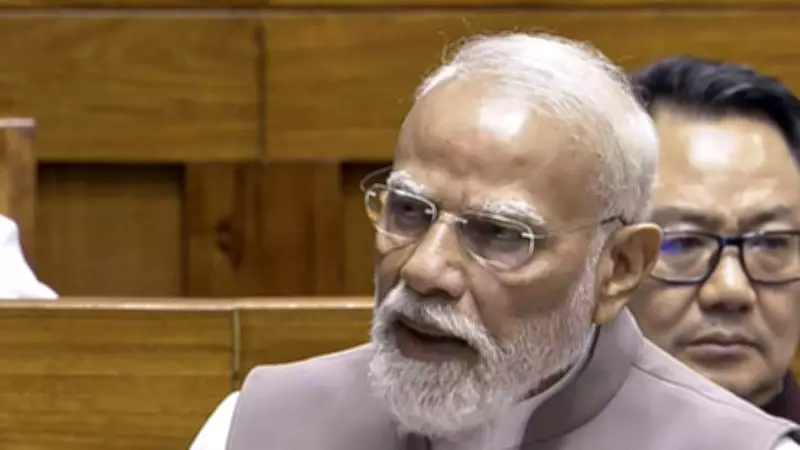
Opposition Parties Demand Parliamentary Discussion on PM Modi's West Asia Statement
Following Prime Minister Narendra Modi's recent parliamentary address concerning the ongoing conflict in West Asia, opposition leaders have voiced strong criticism and called for a comprehensive debate in Parliament. The remarks have sparked a political controversy, with multiple parties highlighting concerns over both the timing and substance of the government's approach.
Congress Leaders Push for Full Parliamentary Scrutiny
Congress leaders Priyanka Gandhi Vadra and Manish Tewari have emphasized the necessity of a thorough parliamentary discussion on the matter. While acknowledging that Prime Minister Modi provided a detailed statement, they argue that the complex geopolitical situation demands broader legislative input and transparency. The Congress party insists that Parliament should not merely receive information but actively engage in shaping India's diplomatic response to the crisis.
RJD and Shiv Sena (UBT) Highlight Urgent Concerns
RJD MP Manoj Jha stressed the critical importance of prompt and effective diplomatic action by the Indian government. He warned that delays could exacerbate regional instability and affect India's strategic interests. Meanwhile, Shiv Sena (UBT) MP Arvind Sawant brought attention to tangible public worries stemming from the conflict, including potential gas shortages, rising inflation pressures, and the depreciating value of the Indian rupee. Sawant argued that these economic repercussions require immediate governmental attention and mitigation strategies.

AAP Criticizes Government's Diplomatic Strategy
AAP MP Sanjay Singh launched a direct critique of the government's handling of the West Asia crisis. He urged the administration to heed opposition advice and ensure timely diplomatic engagement to protect national interests. Singh expressed concern that the current approach may be insufficient to navigate the volatile international landscape, calling for a more collaborative and proactive stance from the ruling party.
Broader Political Implications and Demands
The opposition's unified demand for a parliamentary discussion underscores a significant political divide regarding foreign policy management. Key points of contention include:
- The adequacy of the government's diplomatic initiatives in West Asia.
- The economic fallout affecting Indian citizens, such as energy security and currency stability.
- The need for bipartisan consultation in matters of international conflict.
This development highlights the ongoing tension between the executive and legislative branches over foreign affairs, with opposition parties seeking a greater role in decision-making processes during global crises.






