Massive Financial Boost for Women in Tamil Nadu Ahead of Elections
In a significant pre-election move, the Tamil Nadu government has credited a sum of Rs 5,000 each into the bank accounts of a staggering 1.31 crore women across the state. This disbursement is part of the state's monthly financial assistance scheme, strategically timed just ahead of the upcoming Assembly elections.
Chief Minister's Promise to Double Assistance if Re-elected
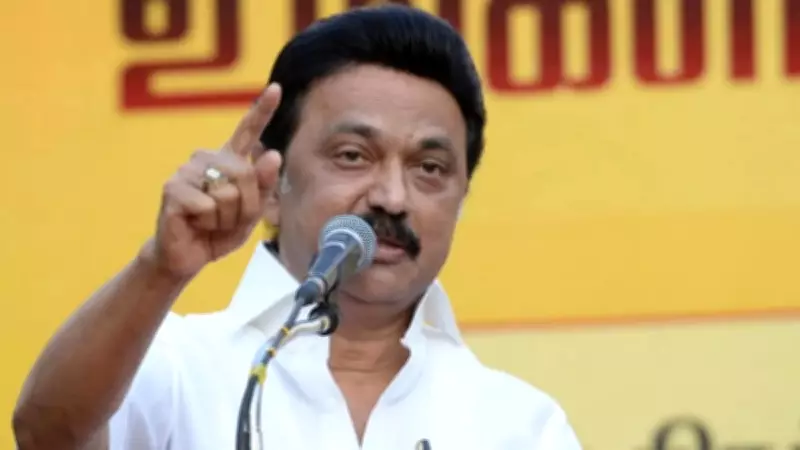
Tamil Nadu Chief Minister M K Stalin has made a bold electoral promise, stating that if his party, the Dravida Munnetra Kazhagam (DMK), is voted back to power, the assistance under this scheme will be doubled. Specifically, the monthly aid will increase from the current Rs 1,000 to Rs 2,000 per beneficiary.
This announcement comes as a major bonanza for millions of women voters in the state, potentially influencing their electoral decisions. The direct bank transfer of Rs 5,000 is seen as an immediate relief measure, while the promise of enhanced future support aims to secure long-term voter loyalty.

Details of the Scheme and Its Political Implications
The monthly assistance scheme is designed to provide financial support to women from economically weaker sections. By crediting Rs 5,000 now, the government effectively provides an advance equivalent to five months of the current assistance rate.
- The scheme targets 1.31 crore women, making it one of the largest such initiatives in the country.
- Funds have been directly transferred to bank accounts to ensure transparency and efficiency.
- This move is widely perceived as a key strategy by the ruling DMK to garner support ahead of the crucial Assembly polls.
Political analysts suggest that such direct benefit transfers can have a substantial impact on election outcomes, especially when aimed at a large and influential demographic like women voters.
Broader Context and Future Prospects
The timing of this financial credit is critical, as it aligns with the election campaign period. Chief Minister Stalin's promise to double the assistance underscores the DMK's commitment to women's welfare, a key plank in their political agenda.
If implemented, the increased assistance to Rs 2,000 per month would represent a significant enhancement in social security for millions of households in Tamil Nadu. This development highlights the intersection of governance, social welfare, and electoral politics in the state.
The scheme's execution and the subsequent political promises are likely to be closely watched by voters and opposition parties alike, setting the stage for a highly contested election.