

Sangli's 2017 Local Elections: A Political Landscape Analysis
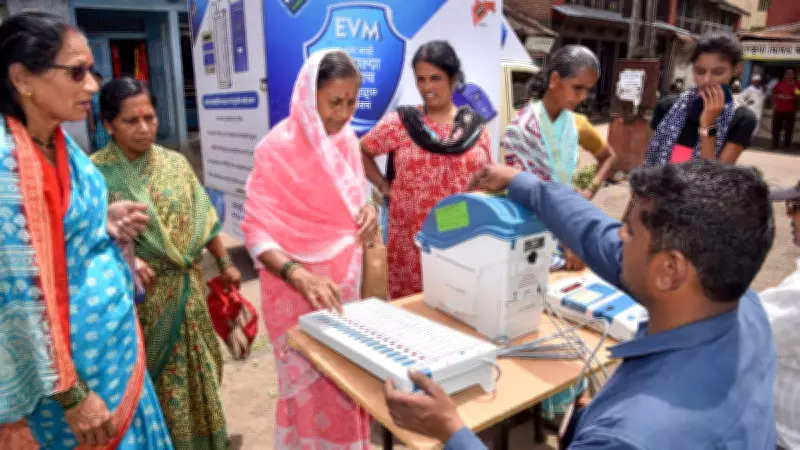
The 2017 elections for the Sangli Zilla Parishad and Panchayat Samitis in Maharashtra marked a significant moment in the region's political history, shaping local governance and party dynamics. These elections, held as part of Maharashtra's broader local body polls, saw intense competition among major political players vying for control over rural administration and development initiatives.
Zilla Parishad Election Outcomes
In the Sangli Zilla Parishad elections, the results reflected a closely contested battle, with parties securing seats that influenced the district's administrative framework. The Zilla Parishad, responsible for overseeing rural development and implementing state schemes, became a focal point for political strategies aimed at grassroots influence. Key parties including the Bharatiya Janata Party (BJP), Indian National Congress (INC), and Nationalist Congress Party (NCP) competed vigorously, with outcomes impacting coalition formations and policy decisions in the district.
Voter turnout and demographic shifts played crucial roles, as issues like agriculture, water management, and infrastructure development dominated campaign narratives. The election results not only determined the composition of the Zilla Parishad but also set the stage for future political alignments in Sangli, affecting how resources were allocated and projects executed across the district.

Panchayat Samiti Results and Implications
Concurrently, the Panchayat Samiti elections across Sangli's blocks saw localized contests that mirrored broader political trends. Panchayat Samitis, as intermediate bodies between villages and the Zilla Parishad, are vital for implementing development programs at the block level. The 2017 results highlighted varying party performances across different samitis, with some areas showing strong support for regional parties while others leaned toward national entities.
This electoral exercise underscored the importance of local issues in shaping voter preferences, with candidates focusing on hyper-local concerns such as road connectivity, healthcare access, and educational facilities. The outcomes influenced the efficiency of governance at the block level, impacting how effectively state and central schemes reached the rural populace in Sangli.
Political Ramifications and Future Outlook
The 2017 Sangli elections had lasting implications for Maharashtra's political landscape, serving as a barometer for party strengths in western Maharashtra. Coalition dynamics emerged as a critical factor, with post-election alliances affecting decision-making processes in the Zilla Parishad and Panchayat Samitis. These results also provided insights into voter behavior in rural areas, highlighting the interplay between local leadership and broader party ideologies.
Looking ahead, the 2017 outcomes set precedents for subsequent local elections, influencing campaign strategies and policy priorities in Sangli. The elections reinforced the significance of grassroots politics in Maharashtra, demonstrating how local body polls can shape regional governance and contribute to the state's overall political narrative. As Sangli continues to evolve, the lessons from 2017 remain relevant for understanding the complexities of India's decentralized democratic processes.






