

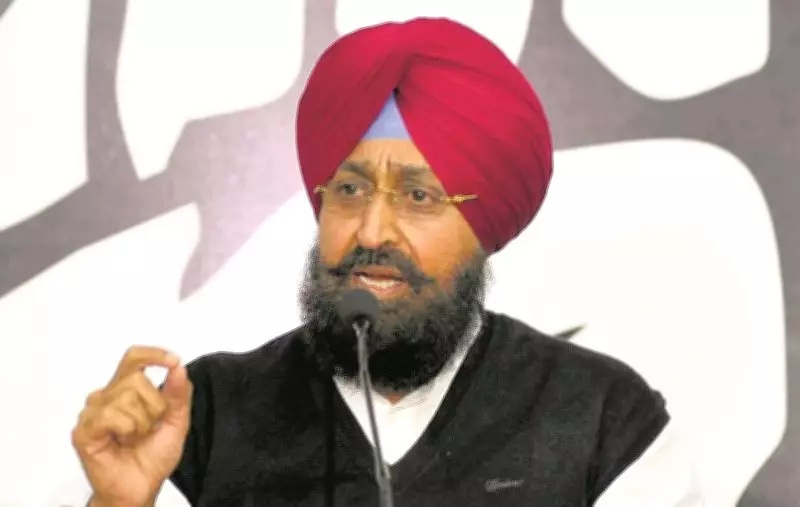
SC Commission Summons Punjab LOP Bajwa Over Alleged Derogatory Remarks
The National Commission for Scheduled Castes (NCSC) has escalated a political controversy in Punjab by summoning the state's Leader of Opposition (LOP), Partap Singh Bajwa of the Congress party. The summons, issued on Tuesday, requires Bajwa to appear before the commission to explain his alleged derogatory remarks made against Excise and Taxation Officer (ETO) Harbhajan Singh.
Details of the Controversial Comments
According to official sources, the NCSC took action based on a complaint filed by Harbhajan Singh ETO, who accused Bajwa of making caste-based insults during a public interaction. The remarks, reportedly made in a recent political gathering, have sparked outrage among Scheduled Caste communities and civil rights groups. The commission has cited violations under the Scheduled Castes and Scheduled Tribes (Prevention of Atrocities) Act, 1989, in its notice to Bajwa.
The summons mandates Bajwa to present himself at the NCSC headquarters in New Delhi on a specified date, failing which legal proceedings may be initiated. This move underscores the commission's proactive stance in addressing caste-based discrimination, particularly involving high-profile political figures.

Political Repercussions and Reactions
The incident has intensified political tensions in Punjab, with the ruling Aam Aadmi Party (AAP) and other opposition groups condemning Bajwa's alleged comments. Supporters of Harbhajan Singh have organized protests, demanding strict action against the Congress leader. In response, Bajwa has denied the allegations, claiming his statements were misrepresented and taken out of context.
This controversy highlights the ongoing challenges in combating caste-based slurs in Indian politics, even as legal frameworks like the NCSC aim to protect marginalized communities. The outcome of Bajwa's appearance before the commission could set a precedent for similar cases involving elected representatives.
Broader Implications for Punjab Politics
As Punjab prepares for upcoming elections, this summons adds to the volatile political landscape, potentially affecting voter sentiments among Scheduled Caste populations. Analysts suggest that the NCSC's intervention may force political parties to adopt more cautious rhetoric on caste issues. The case also raises questions about the enforcement of anti-atrocity laws in high-stakes political environments.
With both sides gearing up for a legal and public relations battle, the summons marks a critical juncture in Punjab's socio-political discourse, emphasizing the need for accountability in public speech.






