

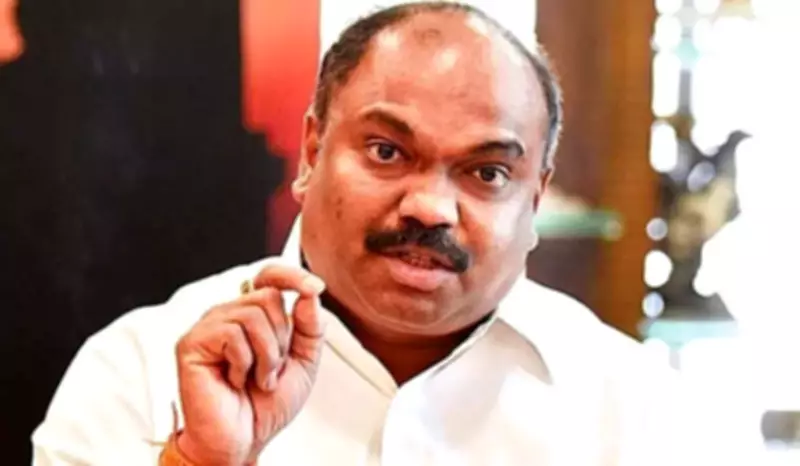
Shiv Sena (UBT) Leader Advocates for 'Encounter Squad' to Tackle Mumbai's Drug Menace
In a bold move within the Maharashtra Legislative Council, Shiv Sena (UBT) Member of Legislative Council (MLC) Anil Parab on Wednesday called upon the state government to establish an "encounter squad" specifically aimed at drug dealers operating in Mumbai. Parab's proposal draws a direct parallel to historical measures taken in the 1970s, which were instrumental in curbing rampant gang wars that once plagued the city.
Historical Precedent and Justification
Parab emphasized that similar squads were successfully formed decades ago to bring gang-related violence under control, suggesting that such a strategy could be effectively repurposed to address the contemporary drug crisis. He asserted, "No one will question you if you eliminate them. Do it within the framework of rules." This statement underscores his belief in a stringent, albeit rule-bound, approach to eradicating drug trafficking networks.
Government Response and Current Measures
In response to Parab's demand, Junior Home Minister Yogesh Kadam provided an update on the state's existing efforts to combat narcotics. He revealed that the Maharashtra Control of Organized Crime Act (MCOCA) has been invoked in 14 drug-related cases, highlighting the government's commitment to using stringent legal provisions against organized crime syndicates involved in drug peddling.

Additionally, Kadam mentioned the formation of an anti-narcotics task force, which is already operational and focused on dismantling drug networks across the region. This indicates that while the government is actively engaged in anti-drug initiatives, it may be pursuing a multi-faceted strategy rather than solely relying on encounter-style tactics.
Broader Implications and Public Discourse
The call for an encounter squad has sparked discussions on law enforcement methods and civil liberties in the context of drug control. Proponents argue that such measures could deter drug-related crimes and enhance public safety, while critics may raise concerns about potential human rights violations and the need for judicial oversight.
As Mumbai continues to grapple with drug trafficking issues, this proposal adds a new dimension to the ongoing debate on how best to tackle organized crime. The government's current approach, combining legal frameworks like MCOCA with specialized task forces, suggests a balanced effort to address the problem through established channels.






