

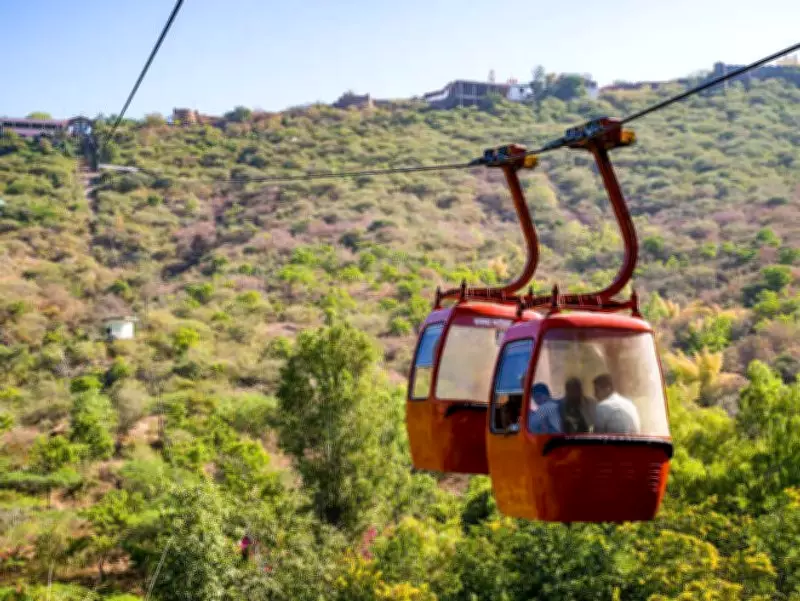
Shimla Ropeway Project Hits Major Financial Roadblock as Costs Nearly Double
The much-anticipated Shimla ropeway project, a key infrastructure initiative aimed at boosting tourism and connectivity in the picturesque hill station, has encountered a severe funding crisis. Recent estimates reveal that the project's costs have nearly doubled from initial projections, creating a substantial financial gap that threatens to derail its implementation.
Escalating Costs and Budgetary Constraints
Originally budgeted at a lower figure, the ropeway's revised cost estimates now indicate a near 100% increase, pushing the total expenditure significantly higher. This surge is attributed to factors such as rising material prices, labor costs, and unforeseen technical challenges in the hilly terrain. Authorities are grappling with how to bridge this funding shortfall, as existing allocations fall far short of the new requirements.
The financial hurdle has prompted a reevaluation of the project's timeline and scope. Officials are exploring options to secure additional funds, but no concrete solutions have been finalized yet. This delay is causing concern among stakeholders, including local businesses and residents who were counting on the ropeway to ease traffic congestion and attract more visitors.

Impact on Tourism and Local Economy
The Shimla ropeway was envisioned as a modern transport solution to connect key tourist spots, reducing reliance on road travel and enhancing the overall visitor experience. Its potential to boost the local economy by increasing footfall and creating jobs made it a priority for the Himachal Pradesh government. However, with costs ballooning, the project's economic benefits are now in jeopardy.
Local authorities emphasize the need for urgent intervention to prevent further setbacks. They highlight that delays could lead to missed opportunities during peak tourist seasons, affecting revenue generation and development goals. The situation underscores the broader challenges of executing infrastructure projects in difficult terrains, where cost overruns are common.
Future Prospects and Possible Solutions
To address the funding gap, officials are considering several strategies:
- Seeking additional grants from state or central government schemes.
- Exploring public-private partnerships to share the financial burden.
- Revising the project design to incorporate cost-saving measures without compromising safety or quality.
Despite these efforts, there is no clear timeline for when the ropeway might become operational. The uncertainty has sparked debates about the feasibility of such large-scale projects in Himachal Pradesh, with calls for better planning and risk assessment in future initiatives.
In summary, the Shimla ropeway project faces a critical juncture as funding hurdles mount due to nearly doubled costs. Its success now hinges on swift financial resolutions and strategic adjustments to keep the vision of enhanced connectivity and tourism alive in the region.






