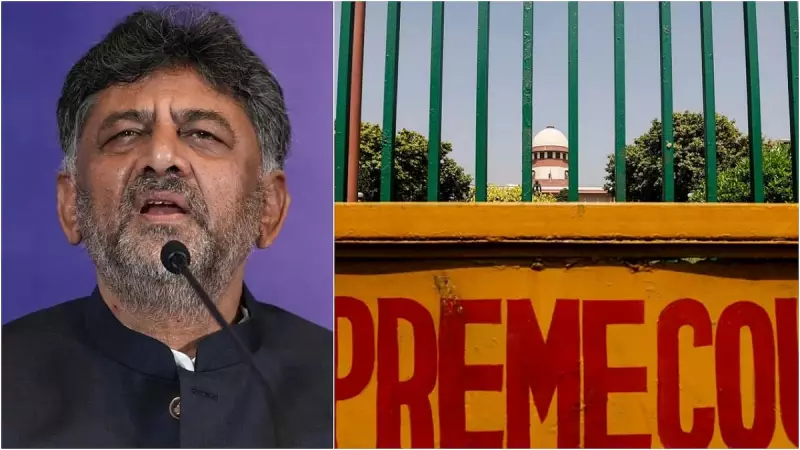
In a significant political revelation, Karnataka Deputy Chief Minister D.K. Shivakumar has claimed that the issue of chief ministerial change was part of a secret deal, creating ripples in state politics. The development comes alongside the Supreme Court's important stance on hate speech legislation, declining to monitor every incident.
Shivakumar's Secret Deal Revelation
Deputy Chief Minister D.K. Shivakumar dropped a political bombshell on November 25, 2025, by openly discussing what he described as a confidential agreement regarding the chief minister's position. While not elaborating on specific details, Shivakumar's statement has ignited fresh debates within Karnataka's political circles about power-sharing arrangements and future leadership changes.
The timing of this revelation is particularly significant as it comes amid ongoing discussions about the state government's stability and long-term political strategy. Political analysts suggest this could indicate internal negotiations within the ruling party regarding leadership rotation.
Supreme Court's Stance on Hate Speech
In a parallel development of national importance, the Supreme Court of India has expressed its reluctance to legislate or monitor every incident of hate speech across the country. The apex court's position underscores the challenges in balancing free speech with the need to maintain social harmony.
The court's statement reflects the judicial system's view that creating comprehensive legislation for hate speech monitoring might not be practical or effective. This position comes amid increasing incidents of hate speech nationwide and growing demands for stricter legal frameworks to address such issues.
Political Implications and Legal Context
The combination of these two developments creates an interesting political and legal landscape. While Shivakumar's comments about a secret CM change deal highlight the internal dynamics of Karnataka politics, the Supreme Court's position on hate speech has broader implications for freedom of expression across India.
Political observers are closely watching how Shivakumar's revelation will affect the power equation within the state government. Meanwhile, legal experts are analyzing the potential consequences of the Supreme Court's stance on future hate speech cases and whether it might lead to alternative approaches to handling such incidents.
Both developments reported on November 25, 2025, represent significant moments in India's political and legal spheres, with potential long-term implications for governance and judicial processes in the country.