

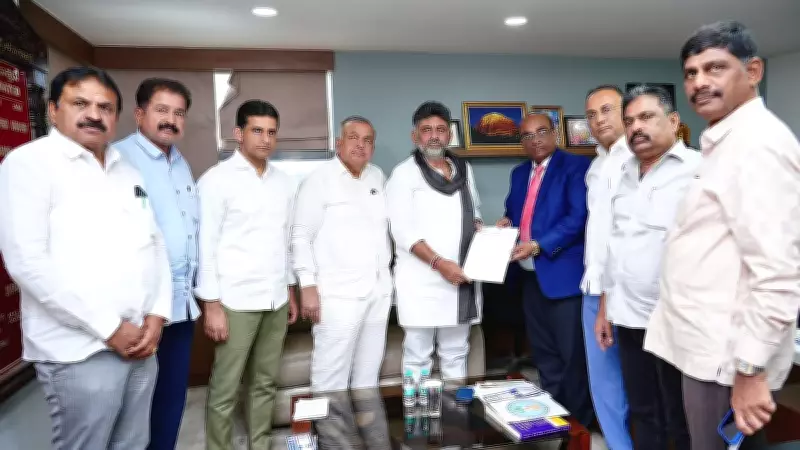
Karnataka Deputy CM Advocates for Granular Voter Mapping to Boost Electoral Precision
In a significant move aimed at fortifying the integrity of the electoral process, Karnataka Deputy Chief Minister D.K. Shivakumar has issued a compelling appeal to the state's election authorities. He has urged the Karnataka State Election Commission to implement a comprehensive, street and house-wise mapping of voters. This initiative is designed to address and rectify inaccuracies that have plagued voter lists in recent times, thereby ensuring a more transparent and reliable electoral framework.
Addressing Voter List Discrepancies
Shivakumar emphasized the critical need for meticulous voter enumeration, pointing out that current voter lists often contain errors such as duplicate entries, omissions of eligible voters, and inclusion of deceased individuals. These discrepancies not only undermine the democratic process but also lead to logistical challenges during elections. By advocating for a detailed mapping system, he aims to create a more accurate and up-to-date database that reflects the true demographic landscape of the state.
The Deputy Chief Minister highlighted that such a granular approach would facilitate better planning and execution of election-related activities, including the deployment of polling booths, distribution of voter slips, and management of electoral rolls. This, in turn, could enhance voter turnout and participation by making the process more accessible and trustworthy for citizens.

Potential Benefits and Implementation Challenges
The proposed street and house-wise mapping is expected to yield several key benefits:
- Enhanced Accuracy: By linking voters to specific addresses, the system can reduce errors and ensure that each eligible individual is correctly registered.
- Improved Transparency: A detailed map would provide a clear visual representation of voter distribution, aiding in monitoring and auditing processes.
- Efficient Resource Allocation: Election authorities can optimize the placement of polling stations and personnel based on precise voter density data.
However, implementing this initiative may pose challenges, such as the need for extensive fieldwork, technological infrastructure, and coordination with local authorities. Shivakumar suggested that leveraging digital tools and involving community stakeholders could help overcome these hurdles, ensuring a smooth transition to the new system.
Broader Implications for Electoral Reforms
This call for detailed voter mapping aligns with broader efforts to modernize India's electoral machinery. In Karnataka, where political dynamics are often complex and voter engagement is high, such reforms could set a precedent for other states to follow. Shivakumar's advocacy underscores a commitment to strengthening democratic institutions by addressing foundational issues in voter registration.
As the Karnataka State Election Commission considers this proposal, it marks a pivotal step towards ensuring that every vote counts accurately. The move reflects a proactive approach to governance, aiming to build public confidence in the electoral process and uphold the principles of fairness and inclusivity in democracy.






