

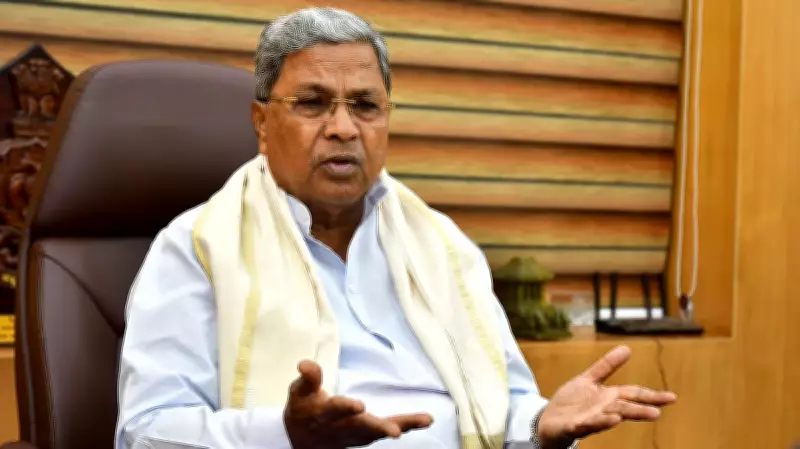
Karnataka CM Siddaramaiah Urges Dismissal of Ministers Over Assembly Absences
In a significant development within the Karnataka political landscape, Chief Minister Siddaramaiah has called for the removal of ministers who are consistently absent from the state legislative assembly sessions. This directive emerged during a crucial Congress Legislature Party (CLP) meeting held recently, highlighting growing internal discontent over ministerial accountability and parliamentary discipline.
Legislators Voice Strong Criticism at CLP Meeting
The CLP meeting, which convened to discuss party strategy and governance issues, saw legislators from across Karnataka express sharp criticism towards ministers who have been ignoring party instructions and failing to attend House proceedings. Multiple lawmakers reportedly raised concerns about the negative impact of such absences on legislative productivity and public perception, arguing that it undermines the government's credibility and effectiveness.
According to sources present at the meeting, the discussions were intense, with legislators emphasizing that ministers have a fundamental duty to participate actively in assembly debates and votes. The absence of key ministers not only stalls important legislative work but also sends a poor message to constituents about the commitment of their elected representatives.

Siddaramaiah's Firm Stance on Ministerial Accountability
Chief Minister Siddaramaiah, responding to the legislators' grievances, took a firm stance by advocating for strict action against the errant ministers. He stressed that skipping assembly sessions without valid reasons is unacceptable and violates the principles of parliamentary democracy. Siddaramaiah's call to drop these ministers underscores his commitment to enforcing party discipline and ensuring that the government functions efficiently.
This move is seen as part of a broader effort to tighten control within the Congress party in Karnataka, especially ahead of upcoming political challenges. By addressing internal dissent proactively, Siddaramaiah aims to project a united front and maintain stability in the state administration.
Implications for Karnataka Politics and Governance
The development has significant implications for Karnataka's political dynamics. Firstly, it signals a crackdown on ministerial indiscipline, which could lead to reshuffles or dismissals in the state cabinet. Secondly, it reflects the ongoing tensions within the Congress party as it navigates governance responsibilities and internal cohesion.
Key points from the CLP meeting include:
- Legislators highlighted specific instances where ministers were absent during critical debates.
- There were calls for stricter attendance monitoring and accountability mechanisms.
- The discussion also touched on the need for better coordination between ministers and party leaders to avoid such issues in the future.
As the situation unfolds, political observers are closely watching how Siddaramaiah's administration will implement these demands. Any ministerial changes could reshape Karnataka's governance approach and influence public opinion ahead of future elections.
This incident underscores the importance of parliamentary attendance in a democratic setup, where elected officials are expected to prioritize legislative duties. With Siddaramaiah taking a hardline approach, it remains to be seen whether this will lead to tangible actions or serve as a warning to improve ministerial conduct.






