

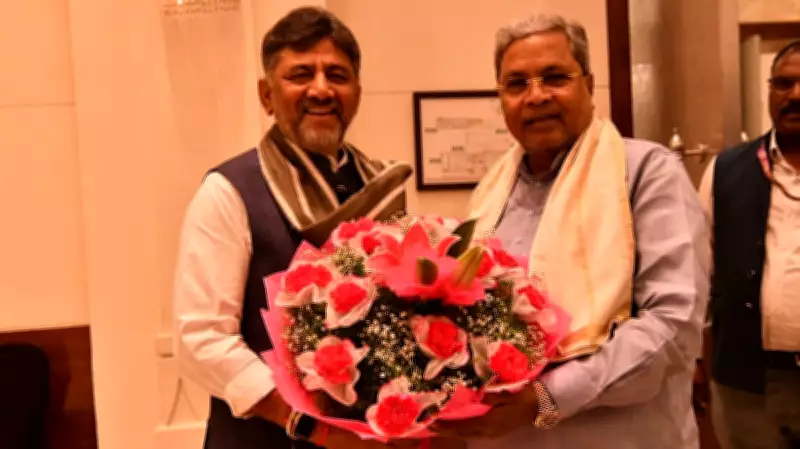
Siddaramaiah Sidesteps Queries on D K Shivakumar's Future Leadership
In a recent political interaction marked by banter and pointed questions, Karnataka Chief Minister Siddaramaiah deftly avoided addressing the issue of succession related to Deputy Chief Minister D K Shivakumar. The exchange occurred during a session where Leader of the Opposition R Ashoka repeatedly prodded Siddaramaiah on leadership matters, creating a tense yet engaging atmosphere.
Heated Exchange Between CM and Opposition Leader
R Ashoka, known for his assertive style, took the opportunity to grill Siddaramaiah on the sensitive topic of who might succeed D K Shivakumar in key roles within the state government. Despite the persistent questioning, Siddaramaiah remained evasive, refusing to provide any clear answers or commitments. This dodging tactic has sparked speculation and debate among political observers in Karnataka.
The interaction, which was filled with light-hearted banter at times, quickly turned serious as Ashoka pressed for transparency on leadership plans. Siddaramaiah's responses were carefully crafted to avoid any direct mention of Shivakumar's potential successors, highlighting the delicate balance within the ruling party.

Implications for Karnataka's Political Landscape
This incident underscores the ongoing power dynamics and internal rivalries within Karnataka's political sphere. D K Shivakumar, a prominent figure in the state's politics, has been a key player, and questions about his succession are seen as crucial for future stability. Siddaramaiah's reluctance to engage on this topic suggests possible divisions or unresolved issues within the party leadership.
Observers note that such evasions could impact public perception and trust, as voters seek clarity on governance and succession plans. The banter-filled nature of the exchange, while entertaining, masks deeper political tensions that may influence upcoming decisions and alliances in Karnataka.
As the situation develops, all eyes will be on Siddaramaiah and his administration to see how they address these leadership questions moving forward, with potential ramifications for state politics and beyond.






