Karnataka Chief Minister Siddaramaiah has placed the crucial decision regarding any potential change in the state's leadership squarely in the hands of Congress leader Rahul Gandhi. This statement comes amidst ongoing internal discussions and public speculation about a possible reshuffle within the ruling party in the southern state.
The Chief Minister's Public Statement
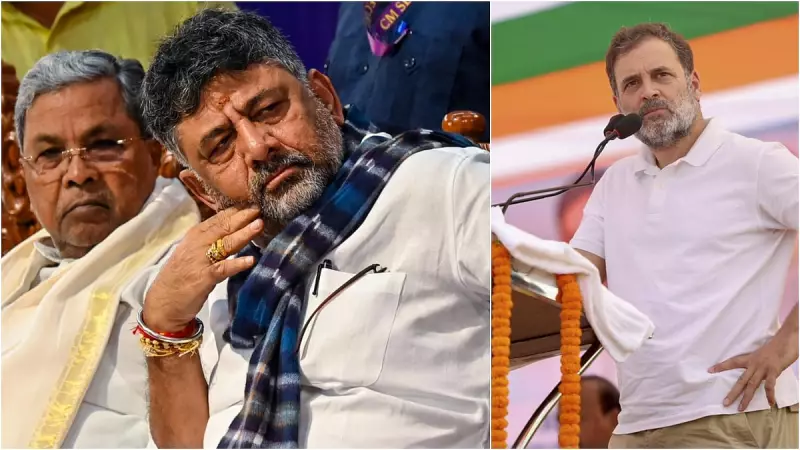
Addressing the media in Mysuru on Sunday, Siddaramaiah made it clear that he is not the ultimate authority on the matter. He emphasized that the final call on the leadership issue must be taken by Rahul Gandhi, who serves as the party's national figurehead and key decision-maker. The Chief Minister stated that he would readily accept and abide by whatever directive comes from the high command, showcasing his loyalty to the party's central leadership.
This public deference follows a series of meetings and growing whispers within political circles about the need for a change. The internal dynamics of the Karnataka Congress have been under scrutiny, with various factions expressing their views on the government's performance and future direction.

Roots of the Speculation and Internal Dynamics
The speculation about a leadership change is not occurring in a vacuum. It stems from a power-sharing agreement reportedly discussed before the 2023 assembly elections. According to widespread reports, a deal was brokered where Siddaramaiah would serve as Chief Minister for the first half of the term, after which Deputy Chief Minister D.K. Shivakumar would take over the top post.
Shivakumar, who is also the state Congress president, has been a pivotal figure in the party's success in Karnataka. His supporters have been increasingly vocal, suggesting that the time is approaching to honor the purported understanding. This has created a delicate balancing act for the party's central leadership, which must manage the ambitions of two powerful regional satraps while maintaining government stability.
The High Command's Delicate Balancing Act
The Congress high command, led by figures like Rahul Gandhi and party president Mallikarjun Kharge, now faces a complex political puzzle. On one hand, Siddaramaiah is a seasoned administrator with a strong mass base, particularly among certain communities. On the other, Shivakumar is credited with revitalizing the party's organization and leading it to a decisive victory.
Any decision will have significant ramifications for the party's prospects in the state and its cohesion. Forcing a change could alienate Siddaramaiah's supporters, while delaying it might frustrate Shivakumar's camp. By publicly stating that Rahul Gandhi will decide, Siddaramaiah has effectively raised the stakes and transferred the onus of managing this rivalry to the central leadership in Delhi.
Political observers note that this move also tactfully shields Siddaramaiah from direct blame if a change is eventually enacted, allowing him to present it as a party directive he is duty-bound to follow. The coming weeks are likely to see intensified lobbying from both sides as the high command weighs its options, considering both the internal agreement and the imperative of presenting a united front ahead of future electoral challenges.