Farmers and Workers from Sirsa, Haryana to Join Three-Day Protest in Kurukshetra
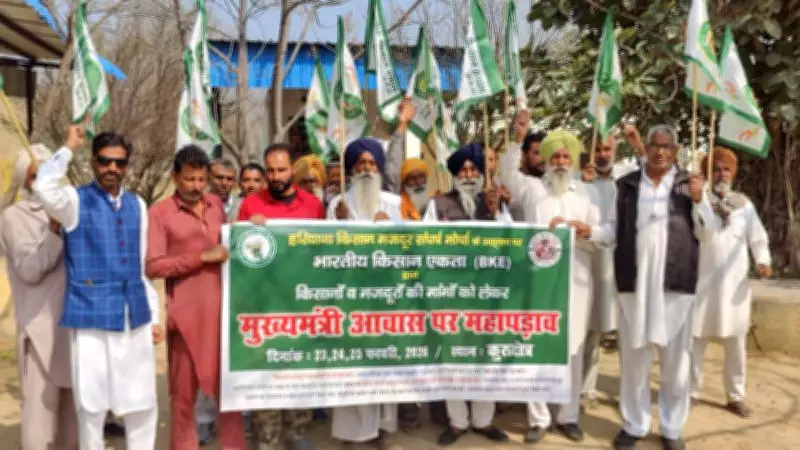
In a significant development, farmers and agricultural workers from Sirsa district in Haryana are gearing up to participate in a three-day protest scheduled to take place in Kurukshetra. This mobilization underscores the persistent agrarian and labor-related challenges faced by rural communities in the state, with participants expected to voice their demands for better policies and support.
Details of the Protest and Mobilization Efforts
The protest, set to unfold over three days, will see a substantial gathering of individuals from Sirsa, a key agricultural region in Haryana. Organizers have been actively coordinating efforts to ensure a strong turnout, with local farmer unions and worker associations playing a pivotal role in the mobilization. The event aims to draw attention to issues such as crop prices, loan waivers, and working conditions, which have been longstanding concerns for the agrarian sector.
Key aspects of the protest include:

- A focus on collective action to address grievances related to farming and labor rights.
- Planned demonstrations and rallies in Kurukshetra to amplify the voices of participants.
- Collaboration between various groups to present a united front in demanding governmental intervention.
Broader Context and Implications for Haryana
This protest is part of a larger wave of agrarian unrest in Haryana and neighboring regions, reflecting deep-seated frustrations over economic hardships and policy shortcomings. Sirsa district, known for its agricultural output, has been a hotspot for such movements, with farmers and workers frequently advocating for reforms. The three-day event in Kurukshetra is expected to highlight these issues on a broader platform, potentially influencing state-level discussions and actions.
Observers note that the participation from Sirsa could signal increased solidarity among rural communities, potentially leading to more coordinated efforts in the future. As the protest unfolds, it will be closely monitored for its impact on regional politics and agricultural policies, with stakeholders hoping for constructive dialogue and tangible outcomes.