Sirsa Sarpanches Stage Protest Against MGNREGA Modifications, Submit Memorandum to Deputy Commissioner
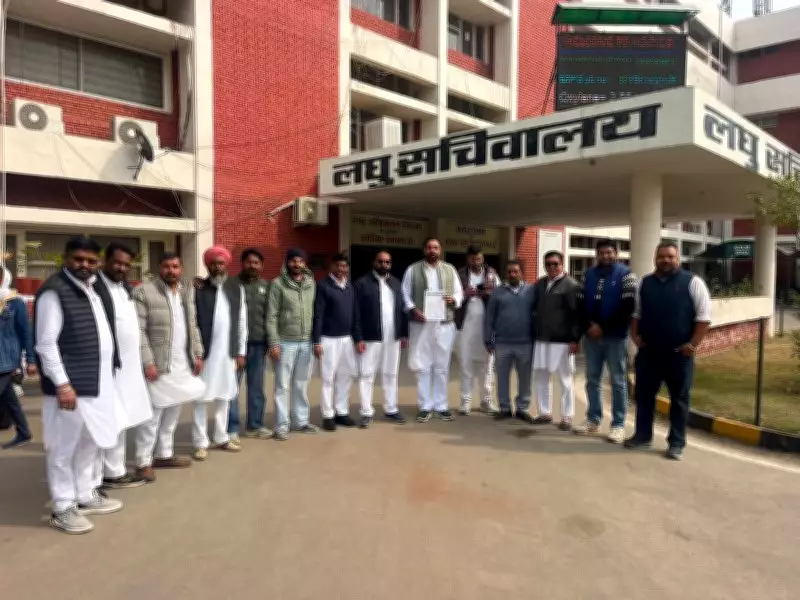
In a significant development in Haryana, sarpanches from Sirsa district have organized a protest to voice their opposition against recent changes implemented in the Mahatma Gandhi National Rural Employment Guarantee Act (MGNREGA) scheme. The demonstration, which drew attention to rural governance issues, culminated in the submission of a formal memorandum to the Deputy Commissioner of Sirsa, urging immediate action to address their concerns.
Details of the Protest and Demands
The protest was marked by a gathering of village heads who expressed deep dissatisfaction with the alterations made to MGNREGA, a critical program aimed at providing livelihood security in rural areas. According to reports, the sarpanches highlighted that the modifications have adversely affected the implementation and benefits of the scheme, potentially undermining its core objectives of ensuring employment and economic stability for rural households.
Key points raised in the memorandum include:

- Demand for a rollback of the recent changes to MGNREGA, which they argue have created operational hurdles and reduced effectiveness.
- Concerns over delays in wage payments and allocation of work, impacting the daily lives of laborers dependent on the scheme.
- Appeals for greater transparency and consultation with local authorities before implementing such policy shifts.
Broader Implications for Rural Development
This protest underscores ongoing tensions between central policy directives and grassroots governance in India. MGNREGA, as a flagship social welfare program, plays a pivotal role in rural economies, and any modifications can have far-reaching consequences. The sarpanches' action reflects a broader trend of local leaders advocating for community interests, emphasizing the need for participatory decision-making in public policy.
Experts suggest that such protests highlight the importance of aligning national schemes with ground realities to ensure they meet their intended goals. The memorandum submitted in Sirsa is expected to prompt discussions at higher administrative levels, potentially leading to reviews or adjustments in the MGNREGA framework to better serve rural populations.
As the situation develops, stakeholders are closely monitoring responses from state and central authorities, with hopes for a resolution that balances policy objectives with local needs. This incident serves as a reminder of the dynamic interplay between governance and citizen engagement in shaping effective public programs.