An unexpected public appeal for forgiveness by a veteran political figure has ignited a fresh controversy in West Bengal's charged political landscape. The incident involves senior leader Sisir Adhikari and has prompted a sharp retort from the ruling Trinamool Congress (TMC).
The Public Appeal That Started It All
At a public meeting held in Bhagabanpur on Friday, 84-year-old Sisir Adhikari, a patriarch of the influential Adhikari family, made a striking statement. The senior leader, with folded hands, sought an apology for what he described as "leading people the wrong way." While he did not name any party explicitly, the context strongly suggested his remarks were directed at the Trinamool Congress, the party he was long associated with before his son, Suvendu Adhikari, defected to the BJP.
Trinamool's Sharp and Swift Rebuttal
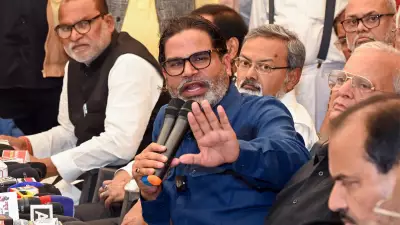
The reaction from the Trinamool Congress was immediate and dismissive. Party spokesperson Kunal Ghosh addressed the media, questioning the sincerity behind Adhikari's dramatic gesture. Ghosh pointed to Adhikari's political career, noting he had been a Member of Parliament and even served as a junior Union minister.

"Sisir Adhikari is a senior neta," Ghosh stated. "Now, due to some family compulsions — which we do not wish to elaborate on — he has made some comments referring to an apology." He went on to challenge Adhikari's intent, adding, "If he is sincere, why doesn't he stop, even return the pension he receives?"
A Legacy Questioned and a Warning Issued
In his response, Kunal Ghosh firmly anchored Sisir Adhikari's past political successes to the patronage of Chief Minister Mamata Banerjee. "He was an MP and junior Union minister because of the magnanimity of CM Mamata Banerjee," Ghosh asserted, framing Adhikari's rise as a direct consequence of the TMC supremo's support.
The TMC spokesperson concluded with a stern warning, indicating that the public sees through such acts. "People never forgive drama," he said, effectively labeling Adhikari's public apology plea as a political performance rather than a genuine act of contrition. This exchange underscores the deep personal and political fractures within Bengal's polity, where familial loyalties and party affiliations are constantly tested.