SNDP-NSS Unity Call Sparks Political Speculation in Kerala
The recent joint appeal by two of Kerala's most influential community organizations has sent political shockwaves across the state, raising fundamental questions about potential electoral outcomes and social realignments.
Historic Call for Unity
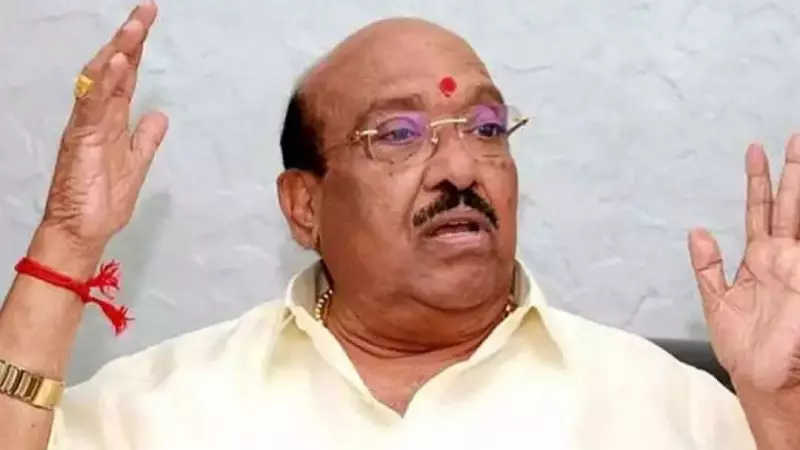
Sree Narayana Dharma Paripalana Yogam (SNDP) general secretary Vellappally Natesan and Nair Service Society (NSS) general secretary G Sukumaran Nair made a significant public declaration advocating for unity between the Ezhava and Nair communities. Both leaders emphasized that this collaboration represents a crucial necessity for the current political and social landscape of Kerala.
Political Implications
The call for unity between these historically influential communities carries profound political implications:

- Potential reshaping of traditional voting patterns in Kerala
- Possible realignment of political alliances ahead of upcoming elections
- Impact on the existing political equations between major parties
- Questions about the future of community-based politics in the state
Community Dynamics
The Ezhava community, traditionally represented by SNDP Yogam, and the Nair community, represented by NSS, have historically maintained distinct political and social trajectories. Their coming together marks a significant departure from established patterns and could potentially create a powerful social coalition with substantial electoral influence.
This development comes at a time when Kerala politics has been witnessing gradual shifts in traditional voting blocs and community alignments. The timing of this unity call suggests strategic positioning ahead of crucial electoral contests, though both organizations have framed it as a broader social necessity rather than purely political maneuvering.
Broader Context
The unity appeal raises several important questions about Kerala's political future:
- How will major political parties respond to this potential realignment?
- What impact might this have on existing coalition dynamics?
- Will this unity call translate into concrete political collaboration?
- How might this affect the representation of other communities in Kerala politics?
Political observers across Kerala are closely monitoring developments, recognizing that such community-level realignments could potentially reshape the state's political landscape in significant ways. The coming together of these two influential organizations represents more than just symbolic unity—it signals possible tectonic shifts in how political power is structured and contested in Kerala.