Sonia Gandhi Personally Requested Himanta Sarma to Set His 2014 Assam CM Swearing-In Date
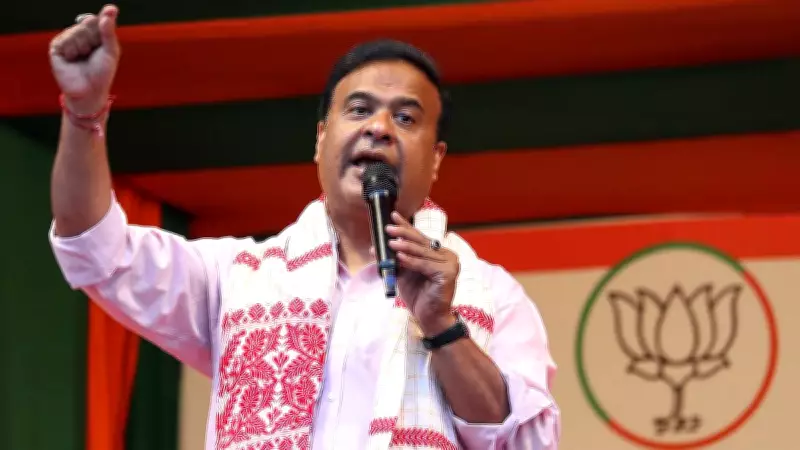
In a significant political revelation, Assam Chief Minister Himanta Biswa Sarma has disclosed that Congress leader Sonia Gandhi directly asked him to decide the date for his swearing-in ceremony as Chief Minister of Assam back in 2014. This disclosure sheds new light on the internal dynamics within the Congress party during that critical period.
Rahul Gandhi's Intervention from the USA Altered the Scenario
Sarma explained to reporters that the initial plan, as communicated by Sonia Gandhi, was abruptly changed following intervention from Rahul Gandhi. At the time, Rahul Gandhi was in the United States and made a series of phone calls to various party leaders, which ultimately influenced the course of events. This intervention reportedly led to a shift in the party's strategy regarding the swearing-in ceremony.
The context of this revelation is particularly noteworthy, as it highlights the power dynamics and decision-making processes within the Congress leadership during a pivotal election year. Sarma's account provides insight into how high-level party decisions were being coordinated, even across international borders, with key figures like Rahul Gandhi playing an active role from abroad.

Historical Significance of the 2014 Assam Political Landscape
This disclosure comes as part of a broader reflection on the political transitions that occurred in Assam during that period. The year 2014 marked a significant turning point in Assam's political history, with various factions within parties vying for influence and control. Sarma's revelation about Sonia Gandhi's direct involvement in his potential swearing-in ceremony underscores the importance that national party leadership placed on the Assam chief ministership at that time.
The timing of this revelation is also significant, as it emerges during a period of continued political realignment in Indian politics. Sarma, who has since transitioned to the BJP and become a prominent figure in Northeast politics, is providing a rare glimpse into the internal workings of the Congress party during a crucial juncture in his political career.
Implications for Understanding Congress Party Dynamics
This account raises several important questions about decision-making authority within the Congress party hierarchy:
- How were key appointments being decided during this period?
- What was the nature of communication between Sonia Gandhi and regional leaders like Sarma?
- How did Rahul Gandhi's intervention from abroad influence domestic political decisions?
The revelation also highlights the complex relationship between national party leadership and regional political figures, particularly in states like Assam where local dynamics often intersect with national political strategies. Sarma's detailed account of being personally approached by Sonia Gandhi to set his swearing-in date demonstrates the level of personal involvement that top party leaders maintained in regional political appointments.
As political observers analyze this disclosure, it provides valuable context for understanding the evolution of political careers and party alignments in contemporary Indian politics. The fact that these events from 2014 are being discussed publicly in 2026 suggests their continued relevance to current political narratives and historical understanding of party dynamics during that transformative period in Indian politics.