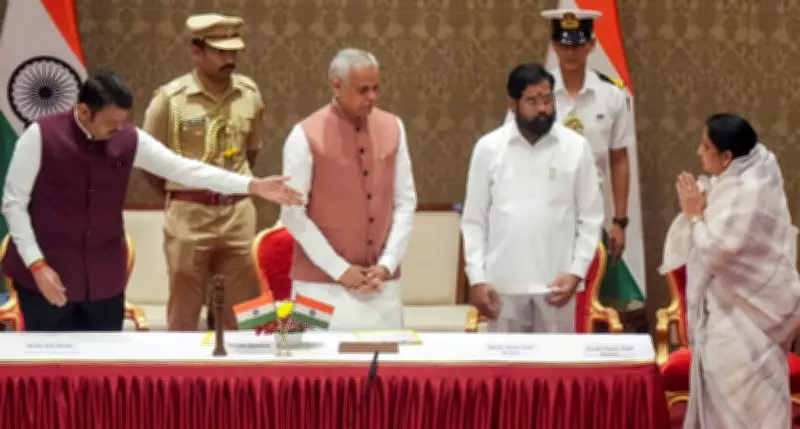
Sunetra Pawar Makes History as Maharashtra's First Woman Deputy Chief Minister
In a landmark development for Indian state politics, Sunetra Pawar was officially sworn in as the Deputy Chief Minister of Maharashtra on Tuesday. This appointment marks a historic first, as she becomes the inaugural woman to hold this prestigious position in the state's political history. The oath-taking ceremony, conducted at the Raj Bhavan in Mumbai, was attended by senior leaders from the ruling coalition, underscoring the significance of this milestone.
A Political Milestone Amidst Family Legacy
Sunetra Pawar, the wife of Nationalist Congress Party (NCP) stalwart and current Deputy Chief Minister Ajit Pawar, has long been a prominent figure in Maharashtra's political circles. Her elevation to the deputy chief minister's role is seen as a strategic move within the NCP, reinforcing the party's commitment to gender representation in leadership. Observers note that her appointment could potentially reshape the dynamics within the state's ruling alliance, bringing a fresh perspective to governance issues.
The ceremony was characterized by a sense of historic achievement, with many highlighting it as a step forward for women's participation in Indian politics at the highest levels. Sunetra Pawar, in her brief remarks after taking oath, emphasized her dedication to serving the people of Maharashtra and advancing the state's development agenda. Her political journey, closely tied to the influential Pawar family, adds a layer of dynastic continuity to this appointment, which has been both praised and critiqued by political analysts.

NCP Reunification Hits a Roadblock
While Sunetra Pawar's swearing-in was a moment of celebration, it coincided with emerging challenges for the NCP's internal unity. Efforts to reunify the party, which has been grappling with factionalism, have encountered significant obstacles. Key disagreements over leadership roles, policy directions, and electoral strategies have stalled progress toward a cohesive reunion, threatening to deepen existing rifts within the party ranks.
Sources within the NCP indicate that the roadblock stems from unresolved conflicts between different factions, particularly those loyal to Ajit Pawar and other senior leaders. This discord has implications for the party's stability and its effectiveness in the upcoming political season. The timing of these reunification struggles, juxtaposed with Sunetra Pawar's historic appointment, creates a complex narrative of both advancement and internal strife for the NCP.
Implications for Maharashtra's Political Landscape
The dual developments—Sunetra Pawar's ascent and the NCP's reunification hurdles—are poised to influence Maharashtra's political trajectory in several ways:
- Enhanced Gender Representation: Sunetra Pawar's role as the first woman deputy chief minister sets a precedent for greater female leadership in state governance, potentially inspiring more women to enter politics.
- Party Dynamics: The NCP's internal conflicts could affect its cohesion and electoral prospects, possibly reshaping alliances and power balances within Maharashtra's ruling coalition.
- Public Perception: These events may impact voter sentiment, with some viewing the appointment as progressive while others see the reunification issues as a sign of political instability.
As Maharashtra navigates these political shifts, all eyes will be on how Sunetra Pawar performs in her new role and whether the NCP can overcome its reunification challenges to present a united front. The coming months are likely to be critical in determining the long-term effects of these developments on the state's governance and political climate.