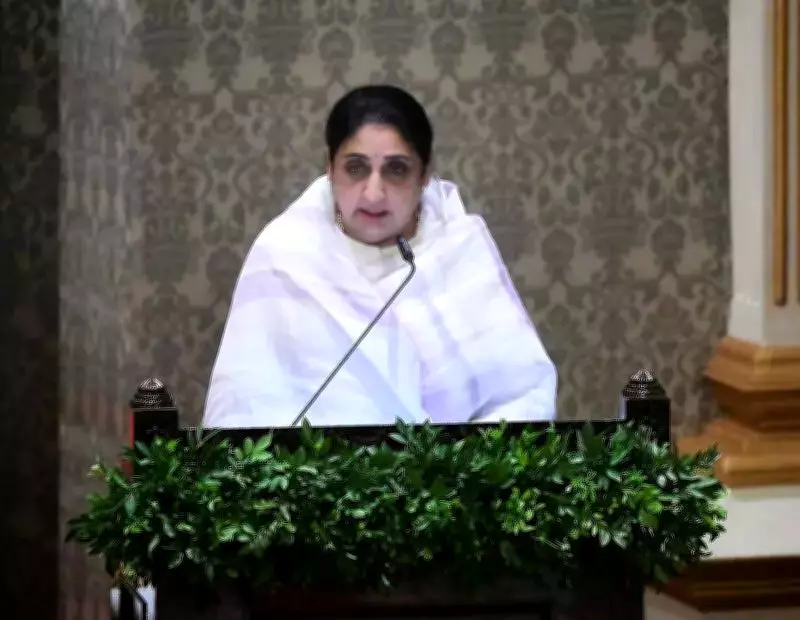
In a significant political development, Sunetra Pawar, who was sworn in as the deputy chief minister of Maharashtra in Mumbai on Saturday, is now widely anticipated to contest the Baramati assembly seat. This constituency became vacant after the tragic demise of her husband, Ajit Pawar, a prominent political figure.
Political Landscape and Sympathy Wave
Given the high emotional tide and the wave of sympathy currently sweeping through the Baramati constituency, political analysts and observers believe that no major party is likely to field a candidate against Sunetra Pawar. This sentiment stems from the respect and support for the Pawar family in the region.
If she decides to contest as the successor to her late husband, there is a strong possibility that she could be elected unopposed. Such an outcome would underscore the deep-rooted influence of the Pawar family in Maharashtra politics and the emotional connect with the electorate.

Constitutional and Legal Framework
The legal clock for this transition is already ticking. Under Section 151A of the Representation of the People Act, 1951, a by-election to fill a vacant legislative seat must be conducted within six months of the vacancy. Since Ajit Pawar passed away on January 28, the Election Commission of India is mandated to hold the by-poll for the Baramati constituency before July 28, 2026.
For Sunetra Pawar, winning the Baramati seat represents the most direct constitutional route to retaining her position in the state cabinet. According to constitutional provisions, she must become a member of the state legislature within six months of her appointment as deputy chief minister to continue in her role.
National-Level Implications and Family Strategy
This political shift would also trigger a reshuffle at the national level. Sunetra Pawar is currently serving as a Rajya Sabha member. To enter the state assembly, she will have to vacate her seat in the Upper House of Parliament.
Speculation within the Nationalist Congress Party (Ajit Pawar faction) suggests that the Rajya Sabha seat could subsequently be allocated to one of her two sons. This move would ensure that the family maintains its political presence in both the state and central legislatures, highlighting a strategic continuity in their political legacy.
The unfolding scenario in Baramati is being closely watched by political circles across India, as it not only impacts Maharashtra's governance but also sets a precedent for familial succession in Indian politics. The by-election, if uncontested, could mark a rare moment of political consensus in a typically competitive landscape.