

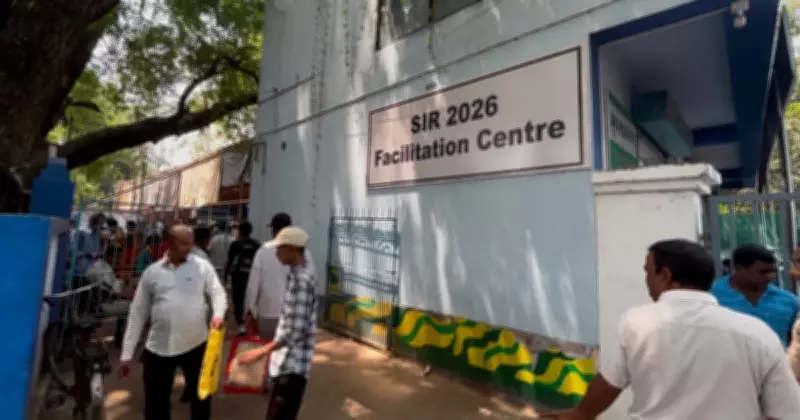
The Supreme Court's Final Verdict on West Bengal's CAA-NRC Petitions
The Supreme Court of India has delivered its conclusive judgment, dismissing a series of petitions that contested the implementation of the Citizenship Amendment Act (CAA) and the National Register of Citizens (NRC) in the state of West Bengal. This definitive ruling marks the end of the legal road for numerous individuals and groups who had sought judicial intervention, leaving many residents in a state of profound uncertainty and anxiety about their future citizenship status.
A Deepening Sense of Statelessness Among Communities
With the dismissal of these appeals, a palpable sense of statelessness has intensified across various communities in West Bengal. Numerous families, particularly those from minority and marginalized backgrounds, now confront the grim reality of potentially being rendered stateless if they are unable to meet the stringent documentation requirements mandated by the CAA and NRC frameworks. Legal advocates and human rights organizations have expressed grave concerns, highlighting that this situation could precipitate a severe humanitarian crisis, with thousands at risk of losing their fundamental rights and access to essential services.
The petitions had argued that the CAA and NRC processes in West Bengal were being enforced in a manner that was discriminatory and violated constitutional principles. However, the Supreme Court's decision to reject these challenges means that the state government must proceed with the implementation as per the central legislation, unless further legislative changes occur. This has sparked widespread fear among residents who lack adequate paperwork, such as birth certificates or land records, often due to historical administrative gaps or displacement.

Political and Social Repercussions in West Bengal
The ruling has ignited significant political and social repercussions within West Bengal. Opposition parties and civil society groups have condemned the decision, organizing protests and rallies to demand a reevaluation of the CAA-NRC enforcement. They argue that the measures disproportionately affect vulnerable populations, including migrants and long-term residents without formal documentation. In contrast, supporters of the CAA and NRC assert that these laws are essential for national security and the identification of illegal immigrants, framing the Supreme Court's dismissal as a validation of their stance.
Legal experts note that the Supreme Court's dismissal does not preclude future challenges on different grounds, but it significantly narrows the avenues for immediate relief. This has led to calls for state-level interventions, such as providing legal aid and documentation assistance to those in need. The West Bengal government faces mounting pressure to address the growing anxieties, with some officials suggesting the possibility of state-specific measures to mitigate the impact, though details remain unclear.
Broader Implications for Citizenship and Identity in India
This development extends beyond West Bengal, reflecting broader national debates on citizenship and identity in India. The CAA, which fast-tracks citizenship for non-Muslim migrants from neighboring countries, and the NRC, which aims to create a register of legal citizens, have been contentious issues since their inception. The Supreme Court's ruling in West Bengal sets a precedent that could influence similar cases in other states, potentially accelerating the rollout of these policies nationwide.
Humanitarian organizations warn that without proactive measures, the situation could lead to increased statelessness, affecting not only individuals' legal status but also their access to education, healthcare, and employment. They urge both central and state governments to implement safeguards, such as transparent application processes and robust grievance redressal mechanisms, to prevent widespread disenfranchisement.
In summary, the Supreme Court's dismissal of petitions against West Bengal's CAA-NRC implementation has solidified the legal framework for these measures, leaving many residents in a precarious position. As fears of statelessness grow, the focus now shifts to how authorities will manage the fallout and support those at risk, amidst ongoing political and social tensions.






