Swargate Underpass Water Seepage Reemerges, Endangering Pune Motorists
In a concerning development for Pune's commuters, water seepage has once again begun to pose significant risks to motorists at the Swargate Chowk underpass. This recurrence comes merely three months after extensive repair works were conducted by the Pune Municipal Corporation (PMC) in November 2025, highlighting persistent infrastructure challenges.
Immediate Hazards for Daily Commuters
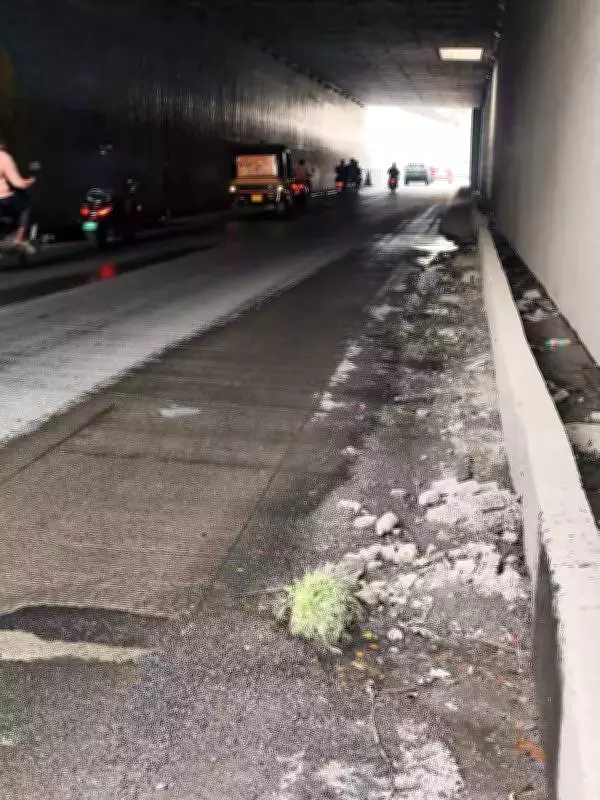
Motorists, particularly motorcycle riders, have reported that seeping water is creating dangerous conditions within the underpass. The underpass serves as a crucial route for vehicles traveling from Shankarsheth Road towards Sarasbaug, handling substantial daily traffic. Riders have expressed grave concerns about the potential for skidding and accidents, especially on the down gradient sections where vehicles typically maintain higher speeds.
"In a skidding event, riders can easily lose balance and collide with the walls," noted one concerned commuter. The water accumulation is not only on the main carriageway but also on side-lanes, exacerbated by leaking water pipes fixed along the underpass walls at multiple spots.

History of Repairs and Ongoing Issues
The PMC had undertaken comprehensive repairs in November 2025, closing the grade separator for two days to facilitate the work. Originally planned for October 2025, the repairs were postponed due to heavy rainfall. "It was not possible to carry out repairs due to heavy rain. Later, the administration decided not to close the underpass during festive days," explained an official at the time.
Despite these efforts, the seepage has returned. Pankaj Gore, a frequent traveler from Swargate, told reporters, "Lack of regular maintenance has been leading to leakages every now and then. It is causing hardships to commuters. Despite efforts, the civic body has not been able to stop the water seepage. There is a need to identify the water sources."
Residents and Commuters Voice Their Concerns
Local residents have grown increasingly frustrated with the recurring problem. Ashok Raskar, a resident of Ghorpade Peth, pointed out that the underpass has been shut twice for repairs already. "The authorities should carry out a third-party audit of the underpass," he suggested, emphasizing the need for independent assessment.
Kishor Jaadhav, who works in the Swargate area, observed that water seepage has been noticeable for the past several days. "The walls of the underpass are also wet, which indicates that the administration has not been able to completely stop the leakages. The condition might become critical during monsoon," he warned.
Trupti Shah, a regular commuter, raised additional concerns about long-term damage. "Continuous leakage of water will further deteriorate the condition of the carriageway and would lead to potholes and bumpy rides," she said. Shah also noted that water is accumulating outside the storm water channels and flowing onto the carriageway, suggesting that cleaning and maintenance works are not being carried out properly. Poor lighting within the underpass compounds these safety issues, according to commuters.
Official Response and Future Actions
Officials from the PMC have acknowledged the ongoing seepage issues. They stated that seepage was "significantly arrested" during the last closure and assured that more work would be undertaken to repair the ongoing leakages. "During previous works, the teams repaired the covers of the stormwater channels and seepages at walls. We will again check the condition of the walls and identify the source of leakages," officials affirmed.
The underpass was originally constructed by the Maharashtra State Road Development Corporation (MSRDC) and later handed over to the PMC for maintenance. The recurrence of water seepage so soon after repairs raises questions about the effectiveness of the maintenance strategies and the structural integrity of the underpass itself.

As Pune continues to expand and its infrastructure ages, incidents like the Swargate underpass seepage highlight the critical need for proactive maintenance, thorough repair methodologies, and possibly structural audits to ensure commuter safety and prevent accidents. The coming monsoon season will be a crucial test for the underpass's condition and the PMC's response capabilities.