SWR Indefinitely Postpones Exams After Protests Over Kannada Exclusion
In a significant development, the South Western Railway (SWR) has been compelled to postpone the Limited Departmental Competitive Examination (LDCE) indefinitely. This decision comes in response to intense and high-voltage protests by pro-Kannada organisations, who have raised strong objections over the exclusion of the Kannada language from the examination process.
Background of the Agitation
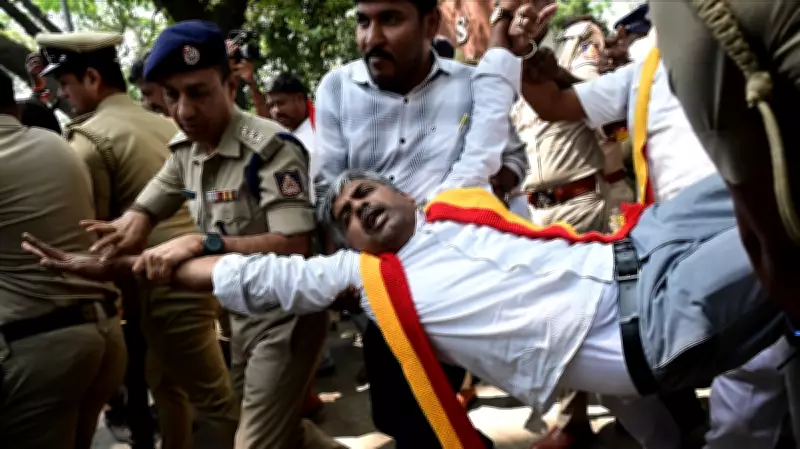
The agitation, which has been building momentum in recent weeks, specifically targeted the conduct of the LDCE. Pro-Kannada groups argued that the examination failed to adequately incorporate Kannada, a key regional language in Karnataka, thereby marginalising local candidates and undermining linguistic rights. The protests involved demonstrations, rallies, and public appeals, drawing widespread attention across the state.
Impact on Railway Operations
The protests eventually forced the SWR authorities to take swift action. After assessing the situation and considering the escalating tensions, the railway board decided to postpone the exam indefinitely. This move aims to address the concerns raised by the protesters and to prevent further disruption to railway services and public order. The SWR has stated that a revised schedule and potential modifications to the examination format, including language provisions, will be announced after thorough review and consultations with stakeholders.

Key Points of the Protest:
- Exclusion of Kannada language in the LDCE was the primary grievance.
- Pro-Kannada organisations led the agitation, demanding inclusion and fairness.
- The protests highlighted broader issues of linguistic representation in government exams.
This incident underscores the ongoing tensions between regional language advocacy and centralised examination systems in India. It also reflects the growing influence of pro-Kannada movements in Karnataka, which have historically campaigned for the promotion and protection of the Kannada language and culture.
Future Implications
The indefinite postponement raises questions about the timeline for future LDCEs and the potential for similar protests in other regions. Authorities are now tasked with balancing national examination standards with regional linguistic demands. Stakeholders, including railway employees and language activists, await further announcements from the SWR and the Railway Recruitment Board (RRB) regarding the next steps.
This development is part of a larger narrative in Karnataka, where language rights remain a sensitive and politically charged issue. The SWR's response may set a precedent for how such disputes are handled in the future, potentially influencing policies across other railway zones and government departments.