

Tamil Nadu Election Campaigns Defy Traditional Boundaries of Religion and Caste
As the election season intensifies in Tamil Nadu, political campaigns are increasingly transcending the conventional lines of religion, faith, and caste. In a notable shift, leaders from major parties are engaging in symbolic acts aimed at appealing to a broad spectrum of voters, with analysts highlighting the strategic timing and frequency of these gestures.
Cross-Religious Campaigning by Key Political Figures
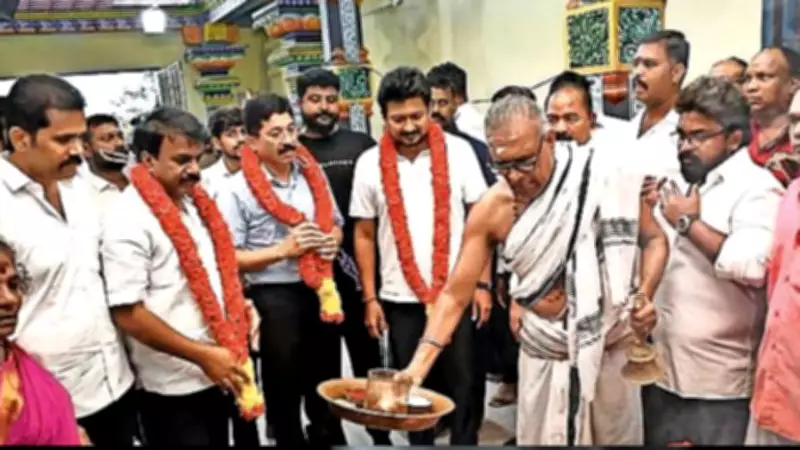
Deputy Chief Minister Udhayanidhi Stalin, who has publicly stated in interviews that he does not worship, recently attended a pooja at the Sengeniamman temple in his constituency. He was accompanied by MP Dayanidhi Maran and Anna Nagar candidate N Chitrarasu, marking a significant departure from his personal stance. Similarly, in Palacode, DMK candidate Dr Senthil Kumar, who previously sparked controversy as Dharmapuri MP by objecting to religious rituals and bhoomi pooja for a road project, visited a temple during his campaign trail.
In Sivakasi, VK's Hindu candidate Keerthana has been campaigning in mosques, while Muslim candidates are appearing at rallies adorned with viboothi marks. These actions underscore a deliberate effort to bridge religious divides and connect with diverse communities.

Caste Dynamics in Campaign Optics
Caste markers have also evolved in campaign strategies. Minister Thangam Thennarasu, hailing from the Thevar community, paid a visit to the memorial of dalit leader Immanuel Sekar in Paramakudi. Such visits by non-dalit leaders are typically rare and usually observed only during the September observance linked to Devendra Jayanthi, making this move particularly noteworthy in the current political climate.
Analysts Weigh In on Strategic Campaign Moves
Political analysts note that while such gestures are not entirely new, their visibility and timing have intensified during this election cycle. M Rajmurugan, a professor of political science, commented, "Communal lines have not been very strong here. Leaders often visit places of worship across faiths and participate in festivals. What has changed is the frequency and timing—it is now more visible during campaigns."
He added that minority voters constitute a significant share, estimated at around 20% of the electorate. "These moves point to attempts to consolidate that vote. For instance, ministers visiting the Immanuel Sekar memorial show they do not want to leave any segment untouched," Rajmurugan explained.
Unexpected Gestures in Gummidipoondi
In a surprising turn of events in Gummidipoondi, AIADMK candidate V Sudhakar opted not to seek blessings from any gods but instead from his DMK rival T J Govindarajan, citing Govindarajan's seniority. This unconventional move highlights the fluid and often unpredictable nature of campaign tactics as parties vie for voter attention.
Overall, the campaign trails in Tamil Nadu are reflecting a nuanced approach where political leaders are strategically navigating religious and caste identities to maximize electoral support, signaling a dynamic shift in the state's political landscape.






