Travancore Devaswom Board Admits to Financial Flaws in Ayyappa Sangamam Event
In a significant development, the Travancore Devaswom Board (TDB) has publicly acknowledged serious financial irregularities in the management of the Ayyappa Sangamam event. The board's president has confirmed that the organization failed to provide adequate clarifications to queries raised by auditors concerning the substantial expenses incurred during the religious gathering.
Audit Queries Remain Unanswered
The TDB president stated that the board did not furnish proper explanations when auditors questioned specific financial aspects of the Ayyappa Sangamam event. This admission highlights potential accounting deficiencies and transparency issues within the administration of one of Kerala's most prominent temple management bodies.
Financial Management Under Scrutiny
The revelation raises important questions about:

- The overall financial governance of the Travancore Devaswom Board
- Accountability mechanisms for religious event expenditures
- Transparency in how public and devotees' funds are utilized
- Compliance with standard auditing procedures
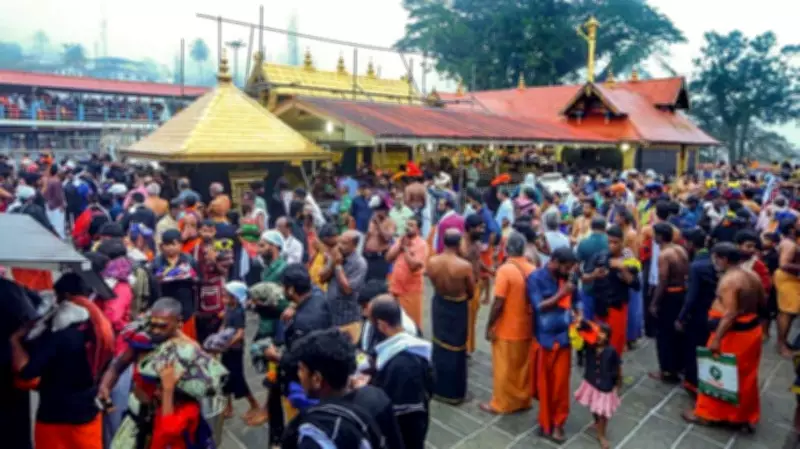
This development comes at a time when temple administrations across India are facing increased scrutiny regarding their financial practices and management of religious funds. The Ayyappa Sangamam event, which attracts thousands of devotees annually, represents a significant expenditure for the TDB, making proper financial oversight particularly crucial.
Broader Implications for Temple Administration
The admission of financial flaws by the TDB leadership suggests potential systemic issues that may require:
- Comprehensive review of all recent religious event expenditures
- Implementation of stricter financial controls and reporting mechanisms
- Enhanced transparency measures for devotees and stakeholders
- Possible restructuring of financial management protocols
As the Travancore Devaswom Board works to address these financial discrepancies, stakeholders and devotees will be watching closely to see what corrective measures are implemented to prevent similar issues in future religious events and temple operations.