The political atmosphere in Telangana has intensified as the state's Bharatiya Janata Party (BJP) unit has launched a fierce opposition against a proposed law aimed at regulating hate speech. The party has accused the ruling Congress government of drafting the legislation with the explicit purpose of targeting its leaders and workers.
Allegations of Political Targeting
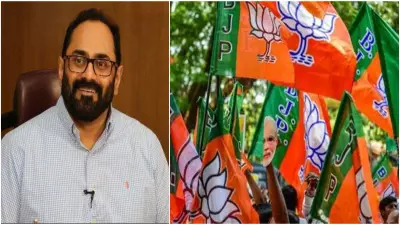
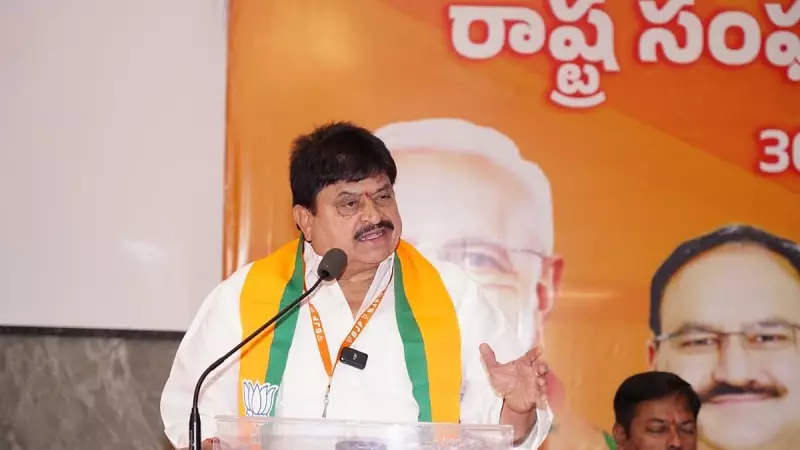
Senior BJP leader and member of the Legislative Council, N Ramchander Rao, has been vocal in his criticism. He has alleged that the bill is not a genuine effort to maintain social harmony but a politically motivated tool. According to Rao, the primary objective is to "suppress BJP" within the state by creating a legal framework that can be used against its members. The claim suggests the law would be applied selectively to curb the activities and voice of the saffron party.
The Core of the Controversy
The controversy erupted following announcements about the proposed legislation. The BJP's central argument is that the Congress government, led by Chief Minister Revanth Reddy, is attempting to misuse its legislative power to weaken the principal opposition. The party contends that existing laws are sufficient to handle incidents of hate speech and that a new, more stringent law is unnecessary. This move, they argue, is designed to intimidate BJP workers and leaders and hinder their political operations ahead of future electoral battles.

Broader Political Implications
This confrontation highlights the deepening political rift in India's youngest state. The BJP, which is striving to expand its footprint in Telangana, views this bill as a direct threat to its growth. The party's aggressive stance is likely to set the stage for a major legislative battle in the assembly. Political analysts suggest that such accusations of "suppression" could galvanize the BJP's support base, framing the party as a victim of political vendetta. The development, reported on 22 December 2025, adds another layer of complexity to the ongoing power struggle between the Congress and the BJP in South India.
The proposed law and the BJP's vehement opposition to it underscore the increasingly contentious nature of political discourse in the region. The outcome of this clash will be closely watched, as it could influence the strategies of both national parties in Telangana and potentially set a precedent for other states.