Telangana Cabinet Meeting to Address Crucial Social and Administrative Reforms
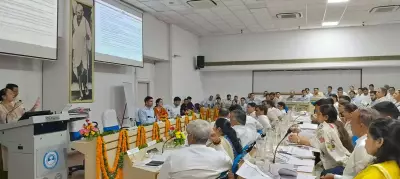
The state cabinet of Telangana, chaired by Chief Minister A Revanth Reddy, is scheduled to convene a pivotal meeting at the secretariat on Monday, February 23. This gathering is poised to deliberate on several significant issues that carry profound social, administrative, and political implications for the region.
Proposed Legislation to Enforce Filial Responsibility
A central item on the agenda is the introduction of a groundbreaking proposed law designed to address the neglect of elderly parents by government employees. The law department has substantially completed the drafting of a bill that would authorize the deduction of a portion of a government employee's salary. This deducted amount would then be transferred directly to the bank accounts of parents who formally complain that their children are not providing adequate support.
This initiative is widely perceived as a bold attempt to legally reinforce filial responsibility within the government workforce, setting a precedent for social accountability. The cabinet faces the critical task of determining the exact percentage of salary to be deducted. Officials have highlighted the challenge posed by the wide variation in pay levels between senior officers and lower-grade employees, raising questions about whether to implement a uniform deduction rate or one that is linked to salary brackets and service grades.

Budget Session Preparations and Fiscal Review
In addition to the parental care legislation, the cabinet is expected to finalize the schedule for the upcoming budget session of the state assembly. Ministers will conduct a comprehensive review of Telangana's fiscal outlook, including detailed revenue projections and strategic spending priorities. Key sectors under scrutiny are likely to include irrigation, agriculture, welfare programs, infrastructure development, and urban planning.
Special attention is anticipated for the core urban region within the Outer Ring Road, where elections are due in three urban local bodies, making these discussions politically charged and administratively vital.
Farmer Assistance and Electoral Considerations
The timing of disbursements under the Rythu Bharosa investment support scheme for farmers will be another focal point. Chief Minister Revanth Reddy had previously indicated that payments would be released following the municipal elections, imbuing this issue with significant political weight for the ruling government. The cabinet will assess the optimal timing to balance administrative efficiency with electoral strategy.
Furthermore, deliberations are expected on whether to proceed immediately with Zilla Parishad Territorial Constituency (ZPTC) and Mandal Parishad Territorial Constituency (MPTC) elections or to postpone them. The proposed launch of the second phase of the Indiramma housing program from April is also slated to feature prominently in the discussions, as the government prepares a densely packed administrative and political calendar for the coming months.
Legislative Timeline and Broader Implications
The cabinet will also decide whether to introduce the parental care legislation in the forthcoming budget session or defer it to a later session. This decision will hinge on the complexity of the bill's provisions and the need for thorough scrutiny. The meeting underscores the government's commitment to addressing both immediate administrative needs and long-term social welfare goals, reflecting a holistic approach to governance in Telangana.