

Telangana's Caste Survey Uncovers Stark Gender Disparities Amid Women's Reservation Bill Progress
As the women's reservation bill advances toward implementation, a comprehensive caste survey from Telangana reveals that profound gender inequalities persist across various communities, raising critical questions about whether political representation alone can drive meaningful social change.
Educational Attainment Gap: 67% of Women Educated Only Below Class X
The Socio-Economic, Educational, Employment and Caste (SEEEPC) Survey-2024 presents concerning data about women's educational status across Telangana. The survey indicates that nearly 67% of women across all caste groups have received education only up to below Class X level, highlighting significant gaps in educational attainment that could hinder their socioeconomic mobility and empowerment.
Child Marriage Persists Despite Declining Trends
While child marriage rates show a gradual decline overall, the practice remains a substantial concern in Telangana. The survey reveals that approximately 4-5% of girls—translating to nearly 2.16 lakh girls under age 18—are already married, indicating that social practices continue to limit opportunities for young women across the state.

Demographic Variations Across Communities
Telangana's overall female-to-male ratio stands at approximately 97.9%, suggesting a relatively balanced demographic profile at the state level. However, this aggregate figure masks significant variations between different communities.
Communities with higher female-to-male ratios include:
- ST Gonds
- ST Koyas
- SC Malas
- SC Madigas
Communities with significantly lower ratios than the state average include:
- OC Iyengars/Iyers
- OC Jains
- OC Rajus
- OC Muslims
Alarming Child Marriage Disparities Across Castes
The survey reveals particularly sharp disparities in child marriage rates across different caste groups. While the state average hovers around 5%, certain communities show disproportionately high numbers that demand urgent attention.
Most affected communities include:
- OC Iyengars/Iyers: Record the highest share of girls married below 18 at 21.2%—nearly five times the state average
- OC Jains: Show a rate of 11%—more than double the state average
Gender Indicators as Critical Development Metrics
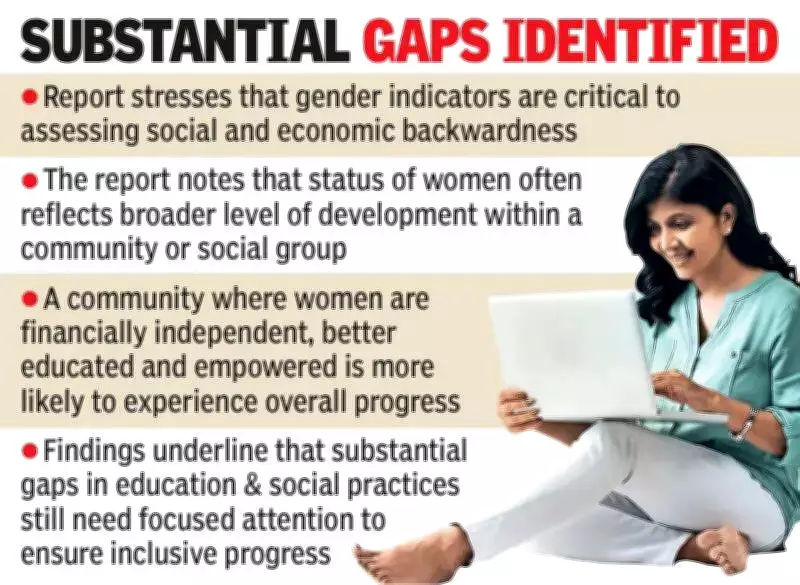
The survey report emphasizes that gender indicators serve as crucial measures for assessing social and economic backwardness within communities. It notes that the status of women often reflects broader development levels, influencing access to essential resources including education, healthcare, personal autonomy, and economic opportunities.
The report states: "Further, a community where women are financially independent, better educated and socially empowered is more likely to experience overall progress and well-being. Thus, gender is not just one of many dimensions—it is central to understanding the depth and nature of backwardness within any social group."
Beyond Political Representation: The Need for Holistic Approaches
These findings underscore a critical reality: while legislative measures like the women's reservation bill aim to enhance political participation, substantial gaps in education, social practices, and economic empowerment require focused, multidimensional interventions to ensure meaningful and inclusive progress.
The survey data suggests that political representation must be complemented by comprehensive social reforms addressing educational access, economic opportunities, and cultural practices that perpetuate gender disparities across Telangana's diverse communities.






