

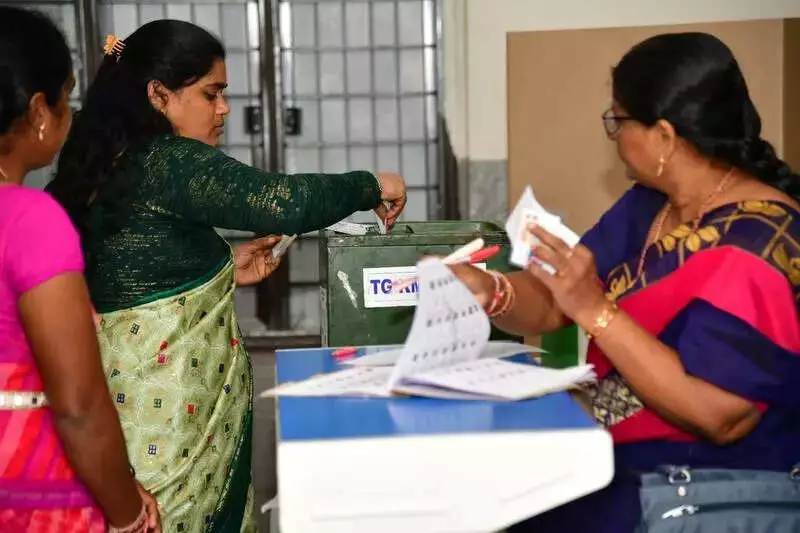
In a stark departure from democratic norms, numerous villages across several districts in Telangana are set to have no elected local representatives. This unusual situation has arisen because not a single nomination was filed for the positions of sarpanch and ward members in these gram panchayats, forcing a complete administrative void.
The Root of the Boycott: Flawed Reservation Quotas
The primary reason cited by villagers for this widespread boycott is a deep-seated issue with the reservation system. Residents allege that the quotas announced for the posts of sarpanch and ward members fail to reflect the ground reality of their village demographics. This has led to a feeling of disenfranchisement, compelling communities to shun the electoral process altogether.
Ch Giridhar, a 44-year-old resident from Gudem gram panchayat in Mancherial district, provided a clear example. He stated that their village comprises only backward classes and scheduled caste populations. However, the sarpanch post and six ward member seats are reserved for Scheduled Tribes (STs). "So, for years we have been boycotting polls," Giridhar explained. This boycott has left the village entirely dependent on the appointed panchayat secretary and the Mandal Parishad Development Officer (MPDO) for initiating any development work.

Administrative Fallout and Official Concerns
The consequence of this nomination vacuum is a breakdown in grassroots governance. According to procedure, the Telangana State Election Commission (TGSEC) will submit a report on gram panchayats where polls could not be held due to reasons like lack of nominations. The commission recommends re-elections at the earliest. If the re-election also sees no nominations, an MPDO is appointed as a special officer for the village.
However, officials are worried that without addressing the core issue, re-elections will be futile. A TGSEC official highlighted the critical problem: "The issue here is that the reason for not filing nominations needs to be identified, and resolved. If not, even re-elections will not yield any positive results." The official estimated that across the state, there might be about 20 such gram panchayats where no nominations were received for both sarpanch and ward member posts.
A Statewide Democratic Dilemma
The problem is not isolated. While hundreds of ward member and tens of sarpanch posts individually saw no nominations, in some gram panchayats, both sets of posts remain uncontested. These villages face the prospect of being run solely by a special officer, bypassing the democratic framework meant for local self-government.
Giridhar from Mancherial expressed a glimmer of hope, noting that there are five general category seats in his village. "I hope, at least in the re-election, someone files a nomination," he added. The situation underscores a significant challenge in balancing reservation mandates with on-the-ground social composition, a puzzle that authorities must solve to restore faith and participation in local democracy.






