

Devotees Raise Alarms Over Temple Digitization and VIP Entry Systems
In Karnataka, a growing number of devotees are voicing strong complaints regarding the implementation of digital systems and VIP entry protocols at temples. These changes, intended to modernize religious sites, have sparked debates about inclusivity and accessibility in spiritual practices.
Digital Initiatives Meet Resistance
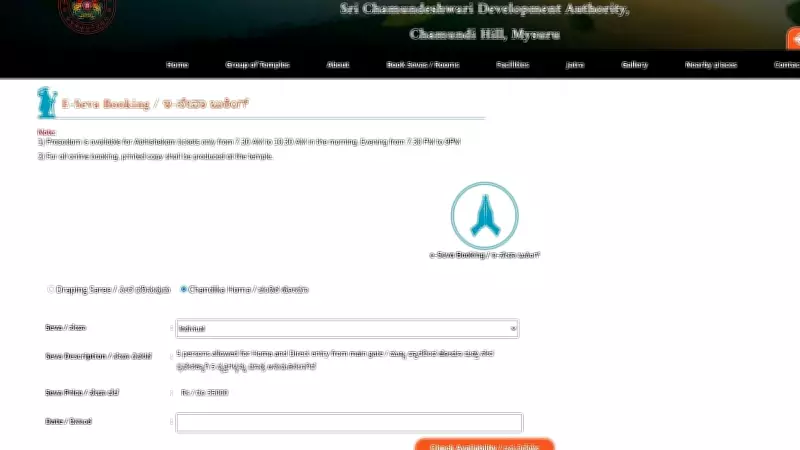
The introduction of QR-code menus and other digitization efforts at temples, such as the Chamundeshwari temple, has been met with criticism from the faithful. While these technologies are often praised for efficiency in commercial settings like hotels, devotees argue that they create barriers in religious contexts. Priyanka Nagaraj, a devotee, emphasized this point, stating that "while QR-code menus might work in hotels for the elite, religion cannot be made exclusive to them." This sentiment reflects a broader concern that digitization could alienate those less familiar with technology or without access to smartphones.
VIP Entry Policies Under Scrutiny
Alongside digitization, VIP entry systems have also come under fire. These policies, which allow privileged access to certain individuals, are seen by many as contradicting the egalitarian principles of religion. Devotees report feeling marginalized when faced with separate queues or expedited services for VIPs, leading to frustrations during visits to sacred sites. The combination of digital hurdles and preferential treatment has fueled calls for reforms to ensure temples remain welcoming spaces for all, regardless of social or economic status.

Broader Implications for Religious Practices
The complaints highlight a tension between modernization and tradition in Karnataka's religious landscape. As temples adopt new technologies to manage crowds and enhance experiences, there is a risk of unintended consequences, such as excluding older generations or low-income devotees. Stakeholders, including temple authorities and local government, are urged to consider these feedbacks carefully. Balancing innovation with inclusivity is crucial to preserving the spiritual essence of these cultural landmarks while adapting to contemporary needs.
This issue underscores the importance of community input in policy decisions affecting religious institutions. As debates continue, it remains to be seen how temples will address these concerns to foster a more equitable environment for worship.






