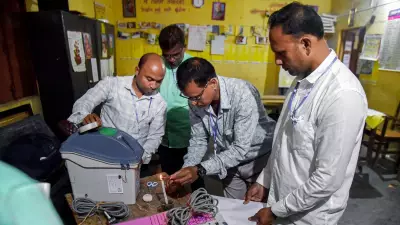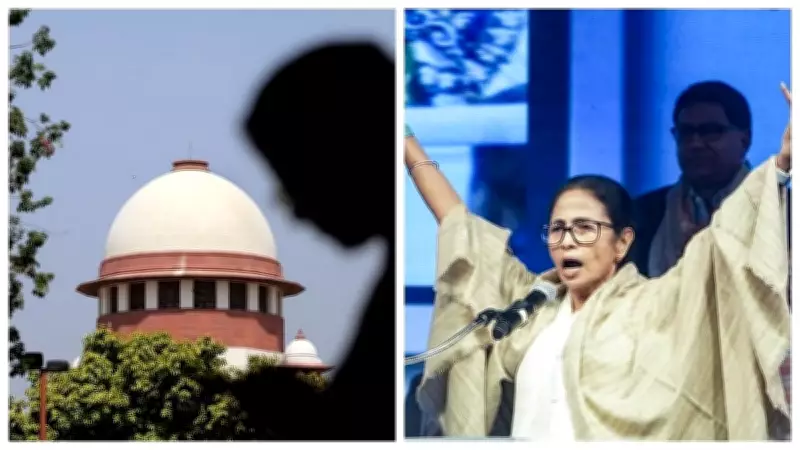
The Trinamool Congress (TMC) has approached the Supreme Court challenging the appointment of central government employees as supervisors on counting day for the West Bengal Assembly Elections 2026. The plea is scheduled for hearing on Saturday, May 2, 2026, before a bench comprising Justices P S Narasimha and Joymalya Bagchi.
Background of the Plea
The TMC contends that the deployment of central staff as counting supervisors violates established election protocols and undermines the state's administrative autonomy. The party argues that such appointments could lead to biased oversight and affect the fairness of the counting process. The Election Commission of India had earlier directed the appointment of central government officers to ensure impartiality, but the TMC claims this move is politically motivated.
Legal Challenge
The petition, filed on May 1, 2026, seeks an urgent hearing, citing the proximity of the counting day. The TMC has requested the court to quash the order and direct the Election Commission to rely solely on state government officials for counting supervision. The party has also raised concerns about potential manipulation and lack of transparency.

This development comes amid heightened political tensions in West Bengal, where the ruling TMC faces a tough contest from opposition parties. The state assembly elections concluded recently, and the counting of votes is scheduled for early May 2026.
Implications
If the Supreme Court rules in favor of the TMC, it could set a precedent for future elections, limiting the role of central staff in state-level electoral processes. Conversely, a dismissal of the plea would reinforce the Election Commission's authority to deploy central officials for ensuring free and fair elections. The court's decision is expected to have significant political ramifications in West Bengal and beyond.
Observers note that the TMC's move reflects a broader distrust of central intervention in state affairs, a recurring theme in Indian federalism. The hearing on May 2 will be closely watched by political parties and legal experts alike.