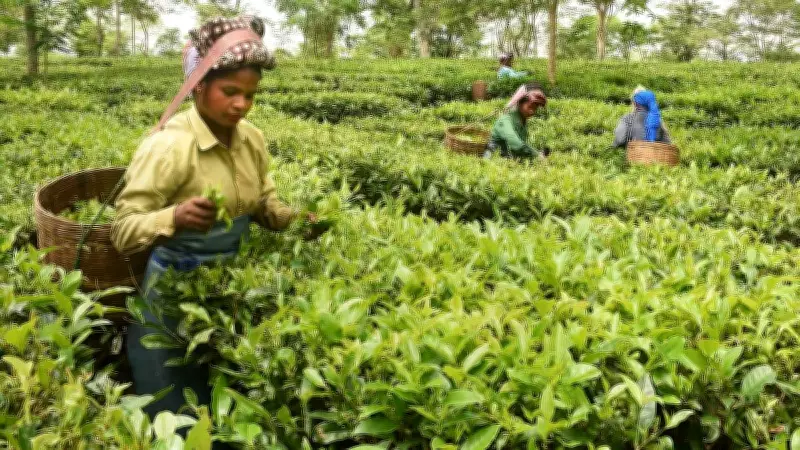
TMC's Rs 300 Tea Wage Pledge Draws Cautious Industry Response Over Sector Viability
The Trinamool Congress (TMC) has made a bold pledge to increase daily wages for tea estate workers in West Bengal to Rs 300, a move aimed at improving livelihoods in the region's crucial agricultural sector. However, this announcement has been met with cautious responses from industry representatives, who express significant concerns about the financial viability and sustainability of such a wage hike.
Industry Concerns Over Wage Hike Implementation
Industry stakeholders have highlighted that wage determination in the tea sector traditionally follows a structured and collaborative negotiation process involving unions, management, and government bodies. This established system ensures that wage increases are balanced with the economic realities of tea production, including factors like market prices, operational costs, and global competition.
The proposed Rs 300 wage represents a substantial increase from current levels, potentially straining the already fragile economics of many tea estates. Representatives warn that without careful planning and support mechanisms, such a hike could lead to reduced profitability, job losses, or even estate closures, undermining the very workers it aims to benefit.

Broader Implications for West Bengal's Tea Industry
West Bengal is a key player in India's tea industry, with numerous estates contributing significantly to the state's economy and employment. The TMC's pledge, while politically motivated to address worker welfare, raises questions about its alignment with industry practices and long-term sector health. Experts suggest that any wage revision should be phased and accompanied by measures to enhance productivity, improve infrastructure, and secure better market access for tea producers.
As discussions unfold, the focus remains on finding a middle ground that supports worker rights without compromising the industry's ability to thrive. The outcome could set a precedent for wage policies in other agricultural sectors across India.