

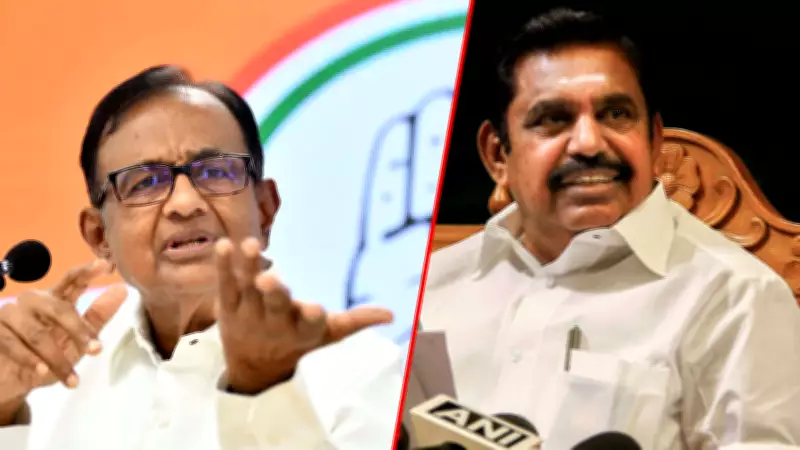
Tamil Nadu 2026 Elections: Chidambaram Targets AIADMK-BJP Alliance as Puppet Show
A significant political controversy has erupted in Tamil Nadu following sharp remarks from senior Congress leader P. Chidambaram, who has likened the alliance between the AIADMK and the BJP to a puppet show, suggesting that real control lies firmly with the BJP. This statement comes at a critical juncture as AIADMK leader Edappadi K. Palaniswami, commonly known as EPS, has been holding multiple meetings in Delhi with Union Home Minister Amit Shah to finalize seat-sharing arrangements ahead of the highly anticipated 2026 Assembly elections.
Chidambaram's Stinging Critique and Political Implications
P. Chidambaram, a veteran politician and key figure in the Congress party, did not mince words when he described the AIADMK-BJP partnership. He asserted that this alliance operates like a puppet show, with the BJP pulling the strings from behind the scenes. This analogy is intended to highlight concerns over Tamil Nadu's political autonomy and the influence of central politics on state affairs. Chidambaram's comments are seen as a strategic move to galvanize opposition forces and sway public opinion against the alliance.
The timing of these remarks is particularly noteworthy, as they coincide with EPS's frequent visits to Delhi, which have become a focal point of political debate. The DMK and Congress have intensified their attacks, framing the issue as a fundamental battle between Tamil Nadu's self-governance and external central influence. This narrative aims to resonate with voters who value regional identity and independence, potentially shaping the electoral landscape in the run-up to the 2026 polls.

EPS's Delhi Visits and Seat-Sharing Negotiations
Edappadi K. Palaniswami's meetings with Amit Shah in Delhi are central to the unfolding political drama. These discussions are crucial for finalizing seat-sharing agreements between the AIADMK and BJP, a process that is often contentious and can determine the success of electoral alliances. The frequency and high-profile nature of these visits have drawn intense scrutiny from political opponents and media alike.
The opposition, led by the DMK and Congress, has seized upon these meetings to accuse the AIADMK of compromising Tamil Nadu's interests in favor of BJP's agenda. They argue that EPS's engagements in Delhi symbolize a surrender of state autonomy, turning his visits into a key political flashpoint. This criticism is part of a broader strategy to undermine the AIADMK-BJP alliance by portraying it as subservient to central powers.
Broader Political Context and Electoral Strategies
As the 2026 Assembly elections approach, the political dynamics in Tamil Nadu are heating up. The state has a history of strong regional parties, and alliances with national parties like the BJP often spark debates about federalism and state rights. Chidambaram's puppet show analogy taps into these sentiments, aiming to rally support for the Congress and its allies by emphasizing the threat to Tamil Nadu's distinct political culture.
The AIADMK, on the other hand, is likely positioning these alliances as necessary for stability and development, countering opposition claims by highlighting potential benefits from central cooperation. However, the row over EPS's Delhi visits suggests that the alliance may face challenges in convincing voters of its merits, especially if perceived as undermining state sovereignty.
In summary, the political row in Tamil Nadu, fueled by Chidambaram's comments and EPS's Delhi meetings, underscores the high stakes of the 2026 elections. With both sides sharpening their attacks, the debate over autonomy versus central influence is set to dominate the campaign trail, making it a pivotal issue for voters and parties alike.






